
Tier List
Early power rankings of The Duskbloods Bloodsworn roster with S/A/B/C tiers based on official reveals, trailers and network test impressions.
Introduction
The Tier List category ranks the Bloodsworn roster of The Duskbloods in an early, pre-release power ranking that will evolve as real gameplay data arrives. Because FromSoftware has confirmed over a dozen playable characters but had not yet revealed every name and skill at the time of writing, these rankings are built from official trailers, the Nintendo Direct presentation and network test impressions. The tier list uses the classic S/A/B/C scale: S-tier characters are all-rounders with strong ranged options and mobility, A-tier picks are strong match winners with reliable personal objectives and combat assists, B-tier characters are situational picks that shine in specific events or team compositions, and C-tier entries are unconfirmed picks awaiting real data. The category explains the judging criteria — ranged capability, mobility, combat assist utility, and score potential — so you can understand why a character is placed where they are. After the network test, these pages will be rewritten with data-driven placements based on actual match performance.
Tier Placement Guide
| Tier | Meaning | Example Profile |
|---|---|---|
| S | All-rounders with strong ranged + mobility | Can fight or flee effectively in any lobby |
| A | Strong match winners | Reliable objectives and combat assists |
| B | Situational picks | Shine in specific events or comps |
| C | Unconfirmed | Awaiting network test + launch data |
Tier Criteria
S Tier — All-Rounders
Safe picks with no obvious weakness
A Tier — Match Winners
Reliable scorers with strong assists
B Tier — Situational
Comp- and event-dependent
C Tier — Unconfirmed
Awaiting real data
Core Mechanics
The tier list methodology for The Duskbloods combines official reveals, trailer analysis and early community impressions into a transparent power ranking. The four judging pillars are: ranged capability, mobility, combat-assist utility and score potential. Ranged capability matters because every Bloodsworn can attack at range and some use firearms, meaning a character's ranged kit determines their pressure game. Mobility covers the superhuman movement set — sprint, super jump, double jump — and how well a character uses it to escape, reposition and take high ground. Combat-assist utility scores how impactful a character's summon is during a fight. Score potential estimates how consistently the character can earn Victory Points across varying win conditions. Because pre-release data is limited, the ranking is explicitly labeled as early speculation: S and A placements are relatively confident based on reveal footage, while B and especially C placements carry heavy uncertainty. After the network test and launch, real match data will replace trailer-based reasoning.
Advantages
The tier list's main advantage is that it gives pre-launch players a decision framework for who to practice before the network test. Even with limited data, having S/A/B/C categories and clear judging criteria lets you prioritize learning characters that are likely to stay strong. The transparency of the methodology is another advantage — because the wiki explains why each character lands where they do, readers can judge the reasoning and disagree based on their own trailer reading. The tier list also helpfully flags uncertainty instead of presenting guesses as facts, which builds trust. Finally, the post-test update promise means the page will be genuinely useful beyond the pre-release hype: bookmark it, and by the time the network test wraps you will have a data-driven ranking instead of speculation.
Challenges
The tier list's biggest weakness is that it is built without real gameplay data. Exact character names, full ability lists and complete weapon stats were not officially revealed, so placements rely on trailer impressions and interview statements. This means the S/A/B/C order is provisional, and a character placed in S based on reveal footage could fall to B after the network test reveals their real numbers. Players should also be wary of community echo-chamber effects: a popular character in trailers may be overrated relative to their actual performance. Until launch data arrives, treat the tier list as an educated guess that is useful for preparation but not for final team-building decisions.
Frequently Asked Questions
Is the tier list final?+
Why is there a C tier for unconfirmed picks?+
What makes an S-tier Bloodsworn?+
How should I use the tier list before launch?+
Quick Tips
Before the network test, practice with characters from the top of the ranking so your test impressions are built on experiencing likely-strong picks rather than guessing at untested roster members. Knowing how S and A tier candidates feel in your hands will make your post-test tier observations far more valuable to the community.
Read the methodology notes that accompany each tier placement before you quote the ranking anywhere. A transparent tier list you can argue with is more useful than a black-box top ten, and understanding the judging pillars — ranged capability, mobility, combat-assist utility and score potential — lets you form your own informed opinion.
Do not dismiss B and C tier picks entirely during the pre-release period. Because The Duskbloods features dynamic events and varied win conditions, a situational character that is average in blind lobbies can dominate boss-defeat matches or event-heavy rulesets, so keep an open mind about off-meta options until real data arrives.
After the network test concludes, check back for the data-driven revision of this page. Post-test tier lists are the first genuinely reliable rankings for the meta, because they replace trailer-based speculation with actual match performance, kill potential and per-character Victory Point data from thousands of played matches.
Featured
The Duskbloods Best Characters: S Tier Picks Guide
Discover the duskbloods best characters ranked by community testing. See S tier and A tier picks, strongest Bloodsworn, and the duskbloods best build strategies.
The Duskbloods Tier List: Best Bloodsworn Ranked for 2026
Our The Duskbloods tier list ranks every Bloodsworn from the network test. Discover the strongest characters, meta picks, and which playstyle fits you best.
The Duskbloods Best Bloodsworn for Beginners: Top Picks
Find the best bloodsworn for beginners in The Duskbloods. Compare beginner-friendly abilities, loadouts, and blood builds to win your first Dusk Battles.
All Articles
The Duskbloods Character Tier List: Top Bloodsworn to Watch
Explore the Duskbloods character tier list ahead of launch, including meta characters, starter picks, and speculation on the strongest Bloodsworn in 2026.
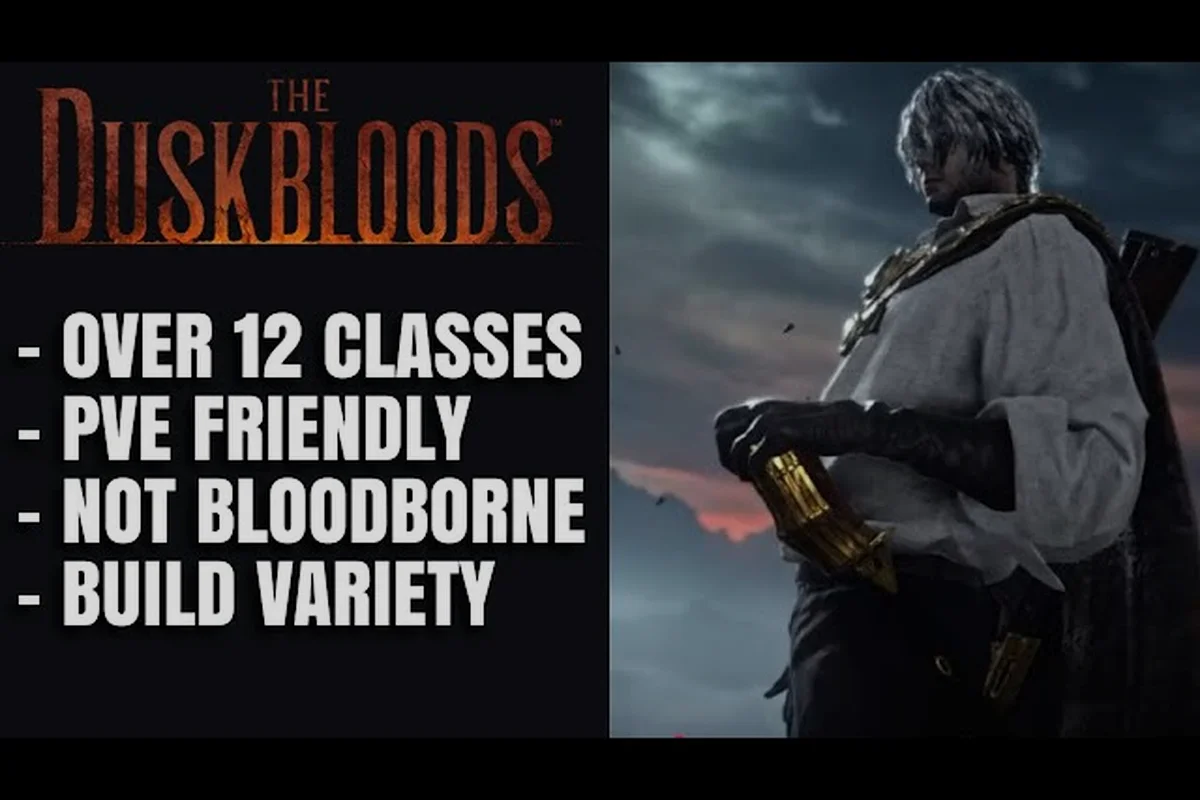
The Duskbloods Best Character Tier List: Full Ranking
The Duskbloods best character tier list for 2026 — compare every Bloodsworn, learn the meta, and find the best ranged and melee characters from the network test.
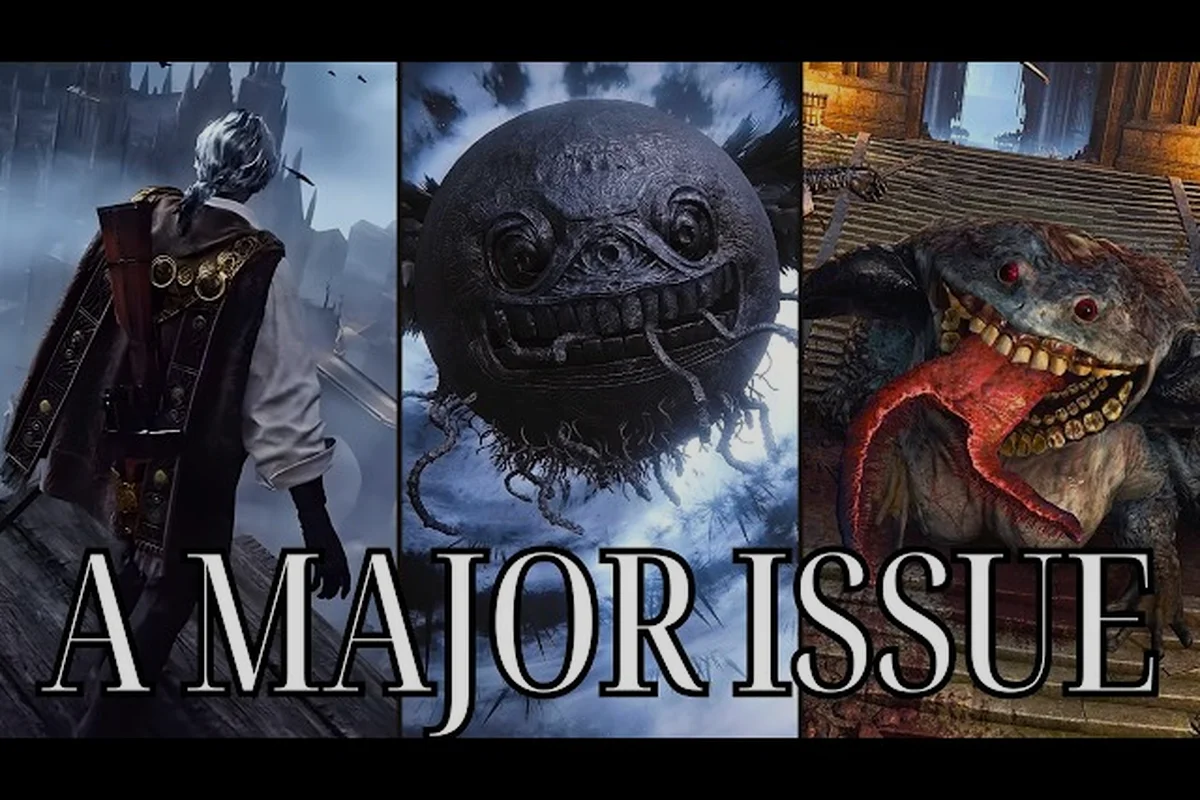
The Duskbloods: Which Character Is the Best? Top Picks
Wondering which character is the best in The Duskbloods? We break down the network test roster, best summons, combat assists, and a tier list to help you dominate Dusk Battles.