
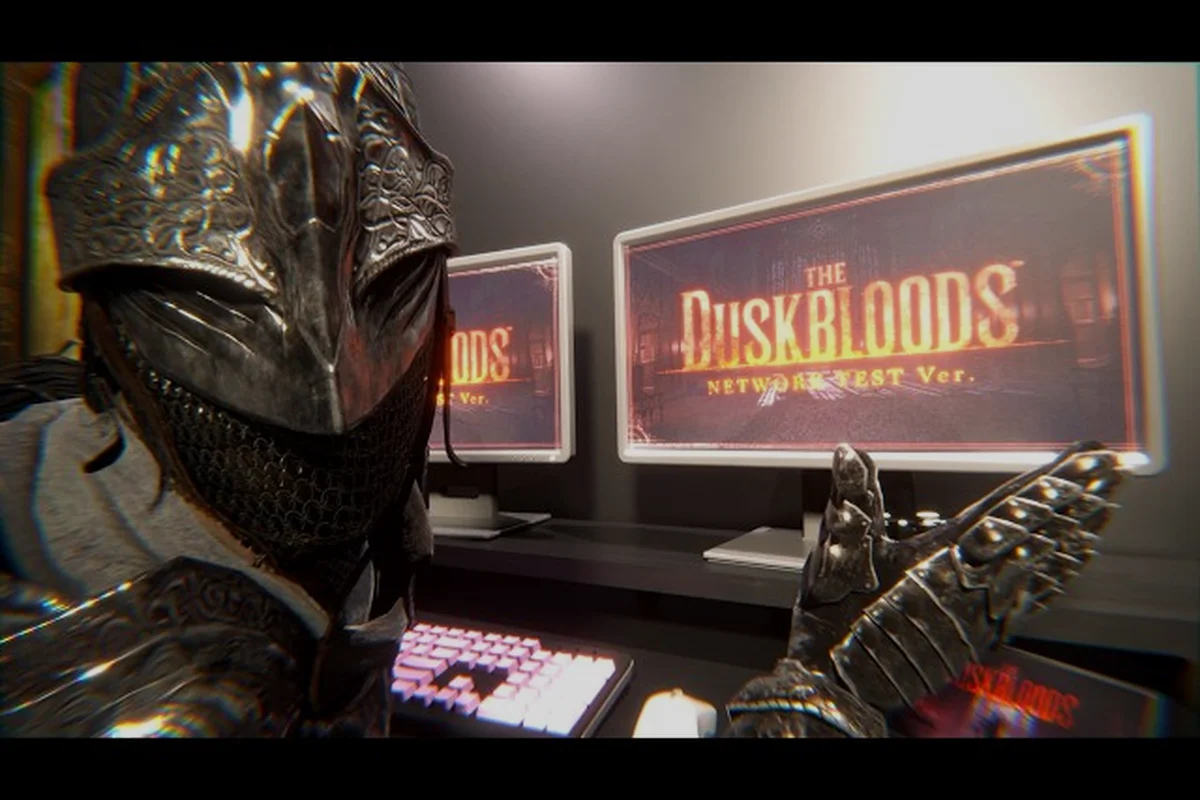
FromSoftware's next title brings a fascinating twist to the action RPG formula, and the duskbloods weapon list is already shaping up to be one of the most diverse arsenals in the studio's history. Each of the 12+ playable Bloodsworn characters comes equipped with a unique melee weapon, a ranged firearm, and a suite of customizable abilities, which means your loadout choice defines your entire approach to combat. Get the latest breakdown of every weapon type confirmed so far, and learn how these tools will shape your Dusk Battle strategies before the closed network test arrives.
Every Confirmed Weapon Revealed So Far
The recent network test details confirmed what many fans suspected: weapon variety is the backbone of The Duskbloods' combat identity. According to community data compiled from the official reveal trailer and Nintendo's creator interviews, each Bloodsworn character carries a signature weapon that cannot be swapped mid-match, though you can customize secondary tools and abilities through the Blood History system.
What makes this roster particularly exciting is the deliberate contrast between traditional FromSoftware melee design and the game's new emphasis on gunplay. While previous titles treated firearms as situational tools, The Duskbloods places them on equal footing with swords and axes. The developers have stated that every character build should feel viable for both close-quarters duels and mid-range exchanges, which explains why the ranged weapon slot is mandatory rather than optional.
-
Melee weapons — Each Bloodsworn wields a distinct primary weapon, ranging from curved swords to massive great hammers, with unique movesets and weapon art abilities.
-
Firearms — Every character carries a ranged weapon with limited ammunition that regenerates over time, encouraging tactical usage rather than pure spam.
-
Blood Arts — These function as special abilities tied to your weapon loadout, consuming a shared resource that builds through combat engagement.
-
Consumable tools — Throwable projectiles and utility items that fill the gap between melee strikes and gunfire.
The developers have emphasized that the duskbloods firearms system rewards precision and resource management. Community reports from the network test suggest that each gun type has distinct handling characteristics, with some favoring rapid fire while others deliver devastating single shots that can stagger enemies.
Melee Weapon Types and Their Combat Roles
The melee arsenal in The Duskbloods follows a familiar pattern for FromSoftware veterans, but with enough twists to keep things fresh. According to the official press release and the gamingbolt coverage of the playable characters, each of the 12+ Bloodsworn has a unique primary weapon that anchors their playstyle. This design choice means that mastering a character goes hand in hand with mastering their signature tool.
Close-Range Brawlers
Some characters lean into aggressive, up-close combat with weapons designed to break poise and create openings. These loadouts reward players who understand spacing and timing, and they typically pair best with the Repeater Handgun for quick follow-up shots when an enemy tries to retreat.
| Weapon Class | Example | Strengths | Weaknesses | Best Paired With |
|---|---|---|---|---|
| Straight Sword | Elegant saber | Fast swings, low stamina cost, reliable combo chains | Short reach, modest stagger potential | Light firearms with quick draw speed |
| Great Hammer | Crushing maul | Massive stagger, high damage per hit, breaks guard easily | Slow recovery frames, heavy stamina drain | Medium-range pistols for punishing retreats |
| Twin Blades | Dual daggers | Rapid attack speed, excellent for status buildup | Low damage per individual hit, requires sustained pressure | Fast-firing guns that maintain pressure |
| Spear | Long pike | Excellent reach, strong counter-attacks, good poke damage | Weak against aggressive pressure, telegraphed heavy attacks | Precision revolvers for punishing whiffs |
The Great Hammer archetype appears to be a favorite among players who enjoyed strength builds in previous FromSoftware games, though the slower recovery means you will need to time your swings carefully. According to community reports, the network test build featured at least two characters using heavy weapon classes, and both required a deliberate, spacing-heavy approach to succeed against faster opponents.
Technique-Focused Fighters
Another subset of the roster emphasizes precision and timing over raw aggression, appealing to players who prefer calculated engagements over reckless flurries. Weapons in this category often feature unique mechanics like timed parries that can turn the tide of a duel, charge attacks with variable properties that reward reading your opponent's movements, or combo finishers that unlock when you land consecutive hits without taking damage. These tools demand a deep understanding of enemy attack patterns and the superhuman mobility afforded to all Bloodsworn, such as the double jump and sprint, to create openings. In the chaotic 8-player Dusk Battles, mastering these timing-based weapons can let a single skilled player dismantle multiple foes who rely solely on brute force, making precision a viable and often devastating path to securing Victory Points.
-
Katana-style weapons reward players who master the dodge-and-counter rhythm, with a special slash that deals bonus damage when triggered by a perfectly timed evasion.
-
Rapier-like thrusting swords excel at punishing enemy whiffs from a safe distance, and their high critical damage makes them deadly when combined with the Stagger Mechanic.
-
Whip-style weapons offer unusual attack angles that catch players off guard, though they demand significant practice to use effectively in tight corridors.
The weapon variety on display suggests that FromSoftware is embracing the lessons learned from Elden Ring's diverse weapon classes while filtering them through the faster, more aggressive combat pacing that The Duskbloods seems to favor. Unlike the methodical stamina management of previous titles, the Bloodsworn's superhuman abilities—sprint, super jump, and double jump—encourage constant motion and verticality, pushing weapon design toward quicker recovery frames and more fluid animation cancels. This hybrid approach means players familiar with Elden Ring's colossal greatswords will find familiar heft, but with new mobility options that allow for aggressive gap-closing or evasive repositioning mid-swing. The result is a roster that feels both nostalgic and fresh, catering to veterans who appreciate depth while inviting newcomers through accessible movesets that reward experimentation within the high-stakes, 8-player PvPvE environment of a Dusk Battle.
Firearms and Ranged Combat Systems
One of the most distinctive aspects of The Duskbloods is how deeply firearms are integrated into core combat. While many games treat guns as an afterthought, the developers have confirmed that every character in the duskbloods weapon list relies on a ranged option as a fundamental part of their kit. This design philosophy sets the game apart from both Bloodborne's limited firearm usage and Sekiro's prosthetic tools.
Handgun Variants
According to the official network test announcement detailed by TechRadar's coverage of the multiplayer reveals, the ranged weapon system appears to share DNA with the Bloodborne firearm mechanics reinvented for faster-paced duels. Players can expect each character to feel distinct based on their gun choice, with different fire rates, reload behaviors, and special shot properties.
| Firearm Type | Fire Rate | Ammo Economy | Best Usage Scenario | Character Synergy |
|---|---|---|---|---|
| Repeater Pistol | Fast | Drains quickly | Interrupting enemy combos, chipping away at distant foes | Pairs well with aggressive melee characters |
| Heavy Revolver | Slow | Efficient | Punishing whiffs, opening fights with big damage | Ideal for counter-heavy builds |
| Scattergun | Medium | Moderate | Close-range burst damage, staggering large enemies | Complements tanky, front-line fighters |
| Precision Rifle | Very Slow | Highly efficient | Sniper-style picks, initiating fights from range | Best for tactical, patient playstyles |
The ammo regeneration mechanic appears to be a key balancing lever, because it prevents firearms from becoming purely dominant while still rewarding players who use them intelligently. Community reports from the network test suggest that ammunition refills over roughly 15-20 seconds when holstered, which encourages rhythmic switching between your melee weapon and gun rather than committing to one or the other.
Gunplay Mechanics and Special Shots
Beyond basic firing, The Duskbloods introduces several advanced gunplay mechanics that players will need to master for competitive play, as firearms are not mere sidearms but integral components of each Bloodsworn's combat identity. These mechanics are designed to reward aggressive positioning, precise timing, and resource management, adding a layer of tactical depth that separates casual shooters from those who dominate the leaderboards. Since every character carries a unique firearm alongside their melee weapon, understanding these advanced techniques is essential for exploiting the full potential of your loadout. In the chaotic, objective-driven Dusk Battles, where up to 8 players vie for Victory Points through eliminations, boss kills, and dynamic events, a well-timed special shot can swing a skirmish or secure a crucial objective, making mastery of these systems a prerequisite for high-level play.
Quickdraw Shots — Firing immediately after a dodge consumes less ammo and deals bonus damage, rewarding aggressive players who stay in motion. This mechanic encourages a hit-and-run playstyle where you weave through enemy attacks using the Bloodsworn's superhuman sprint and double jump, then punish whiffed swings with a precise, cost-effective shot. The reduced ammo consumption is particularly valuable given the regeneration window after firing, allowing you to maintain pressure without exhausting your reserves. In a Dusk Battle, where multiple opponents may converge on a single objective, mastering the quickdraw lets you chip away at enemies while remaining elusive, forcing them to either commit to a chase or back off and heal. This technique synergizes well with melee-focused characters, as the bonus damage can stagger foes and create openings for a follow-up combo finisher.
Charged Rounds — Holding the fire button charges a more powerful shot that consumes two ammo units but can stagger even heavily armored enemies. This mechanic is a high-risk, high-reward tool that demands careful positioning, as the charge time leaves you vulnerable to interruption, especially in the chaotic 8-player PvPvE environment. However, the ability to stagger a boss or a tanky player mid-attack can completely turn the tide of an engagement, allowing your team to focus fire or secure a crucial objective. Given that ammo is a finite resource tied to a regeneration window, spending two units on a single shot requires deliberate intent—wasting it on a nimble foe who dodges easily is a costly mistake. Players who master the timing of charged rounds can use them to break through defensive stances, interrupt enemy ultimates, or create breathing room when surrounded, making this a staple for those who prefer a more calculated, punishing approach.
Bullet Parry — A perfectly timed shot can deflect incoming projectiles, creating a window for a devastating counter-attack. This is one of the most technically demanding mechanics in the game, requiring frame-perfect timing and a deep understanding of enemy attack animations and projectile speeds. Unlike melee parries, which are often more forgiving, the bullet parry demands that you not only predict the incoming fire but also manage your ammo economy, as a failed attempt wastes precious rounds. When executed successfully, the deflection opens a brief stagger window that allows you to close the distance using your superhuman sprint or double jump, then unleash a full melee combo or a charged round for massive damage. In a Dusk Battle, where multiple projectiles from different players and PvE enemies may fill the air, mastering this skill can turn you into an impenetrable fortress, deflecting threats while your teammates push objectives.
The duskbloods guns system clearly rewards mastery, and players who understand the nuances of each firearm type will have a significant advantage in PvP-focused Dusk Battles. Each character's unique firearm—whether a rapid-fire revolver, a slow but powerful blunderbuss, or a precise rifle—has distinct handling characteristics, ammo capacities, and optimal engagement ranges that must be internalized. The advanced mechanics of quickdraw shots, charged rounds, and bullet parries add layers of depth, meaning that a player who has practiced these techniques can outmaneuver a less experienced opponent even with a statistically weaker weapon. Furthermore, the integration of gunplay with melee combos and superhuman movement creates a fluid combat loop where mastery of one system enhances the other. As the network test data suggests, players who prioritize firearm proficiency tend to secure more eliminations and contribute more effectively to objective-based Victory Points, underscoring the importance of dedicating time to understanding your gun's quirks.
Character-Specific Loadouts and Weapon Synergy
One of the most interesting aspects of the the duskbloods all revealed weapons discussion is how each character's kit creates a unique combat identity. Rather than a shared weapon pool, the game ties specific tools to specific Bloodsworn, meaning your choice of character essentially determines your entire playstyle approach.
According to the Fextralife community wiki gathering, the roster of confirmed characters includes several archetypes that showcase the weapon system's flexibility. While character names listed are preliminary and speculative, the loadout philosophy is clear: each fighter excels at a particular range and combat rhythm.
Ranged-Focused Bloodsworn
Some characters lean heavily into their firearm, using it as a primary damage source rather than a complement to melee combat. These builds typically feature a ranged weapon with high damage per shot or a unique gimmick, such as a scoped rifle for long-range picks or a shotgun for devastating close-range burst. For these characters, melee becomes a defensive tool for when enemies close the distance, rather than the main offensive option. This playstyle excels in Dusk Battles where controlling sightlines and denying enemy approaches can secure objectives without direct confrontation. However, it also requires exceptional positioning and awareness, as you are vulnerable to ambushes from mobile melee fighters using their superhuman jumps to close gaps. Mastering the quickdraw mechanic is essential for these builds, as it allows you to maintain damage output while evading, and the bullet parry becomes a crucial survival tool against other ranged opponents. The ammo economy is even more critical here, as your primary damage source relies on a finite resource, forcing you to pick your shots carefully or risk being helpless during the regeneration window.
-
Longer ammo reserves — Allowing more sustained gunplay without needing to switch constantly.
-
Weaker melee options — Creating a clear weakness that opponents can exploit if they close the distance.
-
Utility abilities — Such as trap deployment or area denial that create space for continued ranged pressure.
If you prefer kiting enemies and controlling engagement distance, these characters will likely suit your style. However, be prepared for the positioning demands that come with a ranged-focused build, especially in the chaotic 8-player Dusk Battles where flanks are common.
Balanced Hybrid Fighters
Most of the roster falls into this category, with equally viable melee and ranged options that reward smooth transitions between the two. These characters are the easiest to pick up but offer deep mastery ceilings through: seamless animation cancels that let you fire a shot mid-combo, using gunfire to extend melee strings or create space, and vice versa—melee attacks that can be canceled into a quickdraw for a defensive escape. The key to excelling with these balanced characters lies in understanding the rhythm of swapping between your weapon and firearm, as the game's fast pacing rewards players who can fluidly chain attacks without leaving themselves open. For example, you might start with a melee combo to pressure an enemy, then fire a charged round to stagger them as they attempt to roll away, then close the distance with a super jump and finish with a jumping attack. This versatility makes them ideal for adapting to the dynamic objectives of a Dusk Battle, where you may need to switch from aggressive dueling to defensive objective holding in an instant. The mastery ceiling comes from learning each character's specific weapon quirks and how their firearm's mechanics—such as reload speed or bullet spread—interact with their melee moveset, allowing for creative and unpredictable play.
-
Canceling mechanics — Cutting melee animations short by firing a quick shot, then flowing back into another attack.
-
Resource loop optimization — Maintaining pressure with melee while your ammo regenerates, then unleashing gunfire when the opportunity arises.
-
Positional flexibility — Being equally dangerous at close, medium, and sometimes even long range depending on your loadout choices.
The character customization system, revealed through the network test details, allows players to tweak their Blood History and Blood Fate to further specialize their hybrid build. This adds another layer of depth to what is already a complex combat sandbox.
Weapon Customization and Build Optimization
While each character brings a fixed primary weapon, the weapon system offers meaningful customization that lets you tailor your loadout to your preferred playstyle. According to community reports from the network test, the customization options resemble a blend of Elden Ring's Ashes of War and Dark Souls 3's infusions, but with a distinctly supernatural twist.
Blood History and Weapon Affinities in the Trailer
Every weapon can be attuned to different Blood Fates, which modify its damage type and unlock unique passive bonuses. These affinities appear to be swappable between matches, encouraging experimentation and allowing players to tailor their loadout to the specific challenges of each Dusk Battle. For instance, one Blood Fate might convert your weapon's damage to a fire-based element that inflicts a burn effect over time, while another could imbue it with a shadow affinity that grants lifesteal on consecutive hits. This system adds a significant layer of build diversity, as you can adjust your damage profile to counter specific enemy types or synergize with your character's inherent abilities. The fact that these are swappable between matches—rather than permanently locked—promotes a dynamic meta where players can adapt to the evolving threats of the PvPvE environment, whether that means preparing for a boss encounter or countering a particularly aggressive player. This flexibility is a cornerstone of the game's design, encouraging theorycrafting and replayability as you discover which Blood Fate combinations best suit your playstyle.
| Affinity | Damage Shift | Passive Bonus | Recommended Playstyle |
|---|---|---|---|
| Crimson | Increased physical damage | Health recovery on kill | Aggressive, high-risk trading |
| Moonlit | Converted to arcane damage | Reduced stamina costs | Spell-sword hybrid builds |
| Abyssal | Added dark damage | Increased stagger potential | Crowd control and disruption |
| Solar | Fire damage over time | Faster ammo regeneration | Ranged pressure and kiting |
Each affinity visibly changes the weapon's appearance, and the damage type conversion is substantial enough that it significantly affects your matchup spread against different enemy types. For example, a weapon imbued with a holy Blood Fate might glow with a golden light and deal bonus damage to undead or corrupted foes, while a corrupted affinity could darken the blade and excel against armored enemies. This visual feedback is not merely cosmetic; it serves as a quick in-combat indicator of your current damage profile, helping you and your opponents read the situation. The substantial nature of the conversion means that choosing the wrong affinity for a given matchup can leave you at a severe disadvantage, as your damage output may be reduced or negated entirely against resistant enemies. Conversely, selecting the optimal Blood Fate can allow you to shred through enemies that would otherwise be tanky, making pre-match preparation and knowledge of enemy weaknesses a key strategic element. This system encourages players to maintain a diverse arsenal of attuned weapons and to think critically about their loadout choices before each Dusk Battle.
Secondary Tool Loadout
Beyond your primary and firearm, each character can equip two secondary tools that fill utility roles. These are drawn from a shared pool and include: consumable items like healing vials or stamina-restoring tonics, deployable gadgets such as proximity mines or smoke screens, and mobility aids like grappling hooks or temporary speed boosts. These tools are designed to complement your combat style and provide tactical flexibility in the chaotic 8-player PvPvE environment. For example, a player focusing on aggressive melee might equip a smoke screen to break line of sight and close distance, while a ranged specialist could carry a healing vial to sustain through long-range duels. The shared pool means that all characters have access to the same utility options, but how you combine them with your unique weapon and Blood Fate creates a personalized loadout. Managing these tools effectively—knowing when to use a mine to defend an objective or when to save a heal for a critical moment—adds another layer of decision-making to each match, rewarding players who think beyond raw damage output.
-
Smoke pellets — Obscuring enemy vision and creating escape opportunities.
-
Healing vials — Consumable recovery that frees up your ability resources.
-
Throwing knives — Fast, low-damage projectiles that apply pressure without consuming ammo.
-
Trap kits — Placeable hazards that punish careless pursuit.
The real depth emerges in how these tools interact with your core loadout. A ranged-focused character might prioritize smoke and traps to maintain distance, while a brawler archetype might prefer healing vials and throwing knives to close gaps and secure kills.
Community Findings and Network Test Insights
With the closed network test generating significant buzz, players have already begun datamining and experimenting with the available weapon pool. The official network test campaign site has published details about the Victory Points system and Dusk Battle structure, which directly influence weapon choice strategy.
Early Balance Observations
According to community data collected from the network test, several interesting patterns have emerged: characters with faster melee weapons and quickdraw-friendly firearms tend to have higher win rates in solo play, as they can secure eliminations and escape unfavorable engagements more easily. Conversely, slower, heavier weapon users often excel in team compositions where they can rely on allies to cover their recovery frames. The data also suggests that the Bullet Parry mechanic, while difficult to master, is disproportionately effective in PvP encounters, as it can completely negate an opponent's offensive pressure and create a decisive counter-attack window. Additionally, players who prioritize Blood Fate attunements that provide defensive passives, such as damage reduction or health regeneration, tend to survive longer in matches, which correlates with higher Victory Point accumulation over time. These patterns indicate that while raw damage is important, survivability and adaptability are equally crucial for consistent success in Dusk Battles. The community's ongoing analysis of this data is helping to shape early tier lists and strategy guides, though it is important to remember that the roster and mechanics are still preliminary and subject to change before the full release.
-
Heavy weapons appear slightly underpowered in the current build, due to the game's fast pace making their slow recovery windows punishing.
-
Dual-wielding characters show strong potential but demand higher mechanical skill to reach their full damage output.
-
Precision rifles are polarizing, with some players dominating at range while others struggle to find value in the chaotic mid-range skirmishes.
-
The quickdraw mechanic appears overtuned in early testing, with many top-performing players building their entire playstyle around dodge-shot-cancel loops.
These are early impressions from a network test build that will likely see substantial balance adjustments before launch. Players who want to stay ahead of the meta should pay attention to patch notes and community discussions as more testing occurs.
Practical Tips for Weapon Mastery and Combos
To maximize your effectiveness with the the duskbloods weapons revealed so far, consider these strategies: first, prioritize learning the unique moveset and firearm mechanics of your chosen character, as each one has distinct strengths and weaknesses that cannot be overcome by generic play. Second, experiment with different Blood Fate attunements to find which ones complement your playstyle and counter the most common threats in the current meta. Third, practice the advanced gunplay mechanics—quickdraw, charged rounds, and bullet parry—in the training mode or against PvE enemies before taking them into competitive Dusk Battles. Fourth, pay close attention to the ammo economy and always maintain a reserve for defensive quickdraws, as being caught empty during a critical moment can be fatal. Finally, study the matchup chart and understand how your weapon's range, speed, and damage profile interact with other characters, allowing you to adjust your positioning and engagement strategy accordingly. By internalizing these principles, you can elevate your gameplay and consistently contribute to your team's victory in the objective-driven PvPvE format.
Master the swap rhythm — The best players treat melee and gunplay as one continuous flow, not two separate modes. Practice canceling attack animations with quick shots and using gunfire to extend combo strings. For example, you might start a melee combo, cancel the third hit into a quickdraw shot to stagger an enemy, then immediately resume your melee assault before they can recover. This seamless integration is made possible by the game's fast pacing and the Bloodsworn's superhuman agility, which allows for rapid transitions between weapon types. In a Dusk Battle, where multiple opponents may be closing in, this fluidity lets you maintain pressure on one target while keeping others at bay with suppressive fire. The key is to develop muscle memory for the timing of your character's specific animations, as each weapon has unique cancel windows. Dedicated practice in the network test revealed that players who mastered this rhythm were significantly more effective in duels, as they could dictate the pace of engagement and force opponents to react rather than act.
Match your weapon to your objectives — In Dusk Battles, Victory Points are scored through specific objectives, not just eliminations. A loadout that excels at disruption may be more valuable than one focused purely on damage. For instance, if the dynamic event requires holding a specific area, a character with a shotgun and smoke grenades might be more effective at denying entry than a sniper who can only pick off enemies from afar. Similarly, if a boss spawns, a loadout with a charged round that can stagger the boss might be crucial for interrupting its attacks and allowing your team to deal damage safely. Understanding the current objectives and adapting your weapon and Blood Fate choices accordingly is a hallmark of high-level play. This strategic flexibility is encouraged by the swappable nature of Blood Fates and the shared pool of secondary tools, allowing you to tailor your loadout to the specific challenges of each match. Players who rigidly stick to a single build may find themselves at a disadvantage when the objectives shift, while those who adapt can consistently contribute to their team's Victory Point total.
Respect the ammo economy — Firing recklessly leaves you vulnerable during the regeneration window. Always maintain enough ammo for defensive quickdraws, even if it means holding back on offensive shots. The regeneration window, during which your ammo slowly refills, is a period of relative weakness where you cannot rely on your firearm for damage or defense. In the chaotic PvPvE environment, this can be exploited by aggressive opponents who sense your vulnerability. Therefore, it is crucial to track your ammo count and avoid emptying your magazine unless you are certain you can secure a kill or escape. The quickdraw mechanic, which consumes less ammo, is particularly valuable for maintaining pressure while conserving resources. Additionally, using charged rounds sparingly—only when you have a clear shot or need to stagger a boss—can help you stretch your ammo further. Players who master the ammo economy can sustain their offensive output for longer periods and are less likely to be caught off guard during a critical moment, making this a fundamental skill for competitive play.
Study the matchup chart — Since characters have fixed primary weapons, understanding friendlies and threats is essential. A slower heavy weapon user needs different positioning against a mobile twin-blade fighter than against another heavy weapon user. For example, against a fast, agile opponent, you might need to use your firearm to create space and punish their approaches, while against a fellow heavy weapon user, you can afford to trade blows and rely on your charged rounds to stagger them first. This matchup knowledge extends to understanding how your Blood Fate attunement affects your damage output against different enemy types, as well as how your secondary tools can be used to counter specific strategies. In a Dusk Battle with up to 8 players, you will encounter a variety of characters, and being able to quickly assess the threat level of each opponent and adjust your tactics accordingly is crucial for survival. Players who invest time in learning the strengths and weaknesses of each character will have a significant edge, as they can make informed decisions about when to engage, when to retreat, and when to focus on objectives rather than duels.
The deeper systems related to weapon animations and combat flow will continue to evolve as more players get hands-on time, and staying informed will give you an edge when the full release arrives. The closed network test, held from August 21-24, 2026, provided a first glimpse into these mechanics, but the community is still uncovering the nuances of animation cancels, hitboxes, and frame data. As more players experiment with different characters, Blood Fates, and secondary tools, the collective understanding of the combat system will deepen, leading to more refined strategies and tier lists. Following community discussions, patch notes, and developer insights will be essential for staying ahead of the meta, especially as the game approaches its 2026 launch window. By keeping abreast of these developments, you can ensure that your skills and knowledge are up to date, allowing you to hit the ground running when the full game releases and the competitive Dusk Battles begin in earnest.
Strategic Weapon Recommendations for Each Playstyle
Whether you are a veteran of the genre or coming fresh to FromSoftware's latest title, the the duskbloods weapons system offers enough depth to reward dedicated practice. Based on our analysis of the revealed footage and community feedback from the network test, here are our recommended approaches.
For Aggressive Players
If you thrive on constant pressure and close-range duels, prioritize characters with fast melee weapons and pairing firearms that let you extend pressure. Repeater pistols are your best friend, because they let you chip away at enemies who try to back off, and the quickdraw mechanic becomes a devastating tool when mastered.
For Tactical Players
Those who prefer planning and execution over raw aggression should look toward precision firearms and balanced melee options. The ability to initiate fights on your own terms is invaluable, and the Bullet Parry mechanic can completely shut down enemy aggression when timed correctly.
For Team-Oriented Players
Since Dusk Battles support up to eight players, coordination matters. Consider how your weapon choice complements your team composition, and explore the diverse weapon types and their unique abilities to find synergies with your allies. A balanced team with mixed ranges and roles will consistently outperform a group of individually strong but overlapping builds.
The customization depth here rivals anything FromSoftware has previously shipped, and the character-specific loadouts ensure that mastery comes from understanding your chosen fighter inside and out. For a deeper look at how these tools compare to traditional FromSoftware arsenals, check out our analysis of the weapon variety and system design, and explore the unique weapon abilities showcased in the trailer.
Frequently Asked Questions
How many weapons are in The Duskbloods?
Based on the network test and official reveals, there are over 12 distinct primary melee weapons, one for each playable Bloodsworn character, plus a matching firearm for every fighter. The full launch roster may include additional characters and weapons beyond what has been shown so far.
Can I equip any weapon on any character?
No, each Bloodsworn has a fixed primary melee weapon and firearm that define their combat identity. However, you can customize secondary tools, Blood History affinities, and passive abilities to tailor the loadout to your preferred playstyle within that character's framework.
Do firearms require ammunition management?
Yes, all duskbloods firearms revealed so far—the Revenant’s Revolver, Hollowpoint Carbine, and Gravewake Shotgun—feature limited ammo that regenerates only when holstered. This forces a deliberate melee-ranged cadence, and managing that cooldown is the core skill separating veterans from novices in Dusk Battles.
What are Blood Arts and how do they work?
Blood Arts are special abilities tied to your weapon loadout that consume a shared resource built through combat engagement. They function similarly to weapon skills in previous FromSoftware games but with a more pronounced supernatural flavor that fits the vampire-inspired setting.
Will the weapon roster expand after launch?
FromSoftware has not confirmed post-launch weapon additions, but the studio's history suggests that future updates or DLC could introduce new Bloodsworn characters with unique arsenals. Community reports indicate the development team is already collecting feedback from the network test to refine balance before release.