
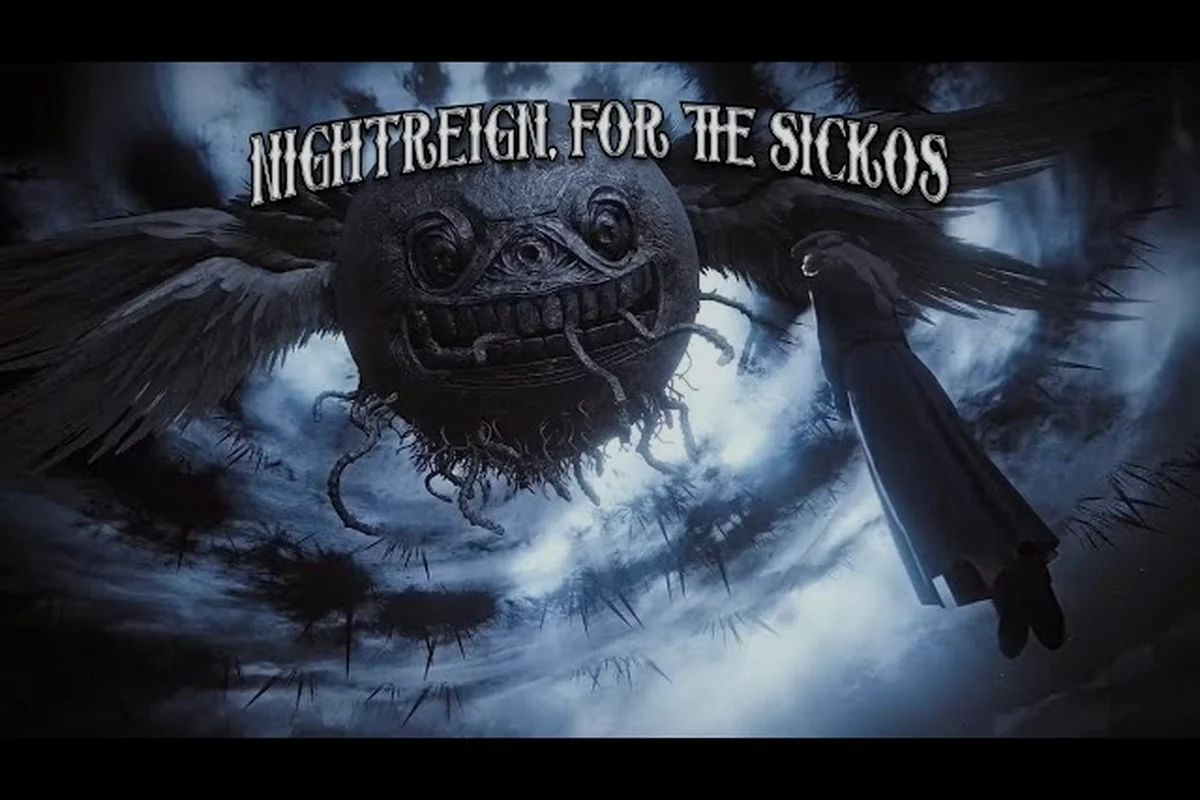
The Duskbloods new characters are the heart of FromSoftware's upcoming Nintendo Switch 2 exclusive, and understanding who you can play as will shape every Dusk Battle you enter. With over 12 playable characters confirmed ahead of the closed network test, each Bloodsworn brings unique weapons, abilities, and a ranged option that completely changes how you approach combat. Get the latest breakdown of every confirmed fighter, their playstyles, and how to pick the right one for your first matches.
Why the Duskbloods New Characters Redefine Character Design
The Duskbloods characters aren't just reskins with different stats — they're fully distinct combat identities built around a gothic Victorian world where blood-fueled powers define the battlefield. According to the official Nintendo store page, players battle as Bloodsworn in multiplayer action with up to 8 players, using superhuman movement including sprint, double jump, and super jump while fighting to control the First Blood across Dusk Battles.
What makes the Duskbloods new characters stand out from previous FromSoftware titles is how each fighter carries a unique loadout that combines melee, ranged, and a signature ability. This isn't a class system where you pick a template and then customize everything — the core identity of each Bloodsworn is fixed, and your customization happens around that foundation.
The roster structure for The Duskbloods is built around the core PvPvE premise, where up to eight players enter Dusk Battles as Bloodsworn, each wielding a unique melee weapon paired with a ranged firearm. Preliminary and community-sourced information suggests a lineup of at least twelve playable characters, though FromSoftware has not finalized all names or abilities. The design emphasizes superhuman mobility—sprint, super jump, and double jump—so each fighter's kit is tailored to exploit these movement options while fitting into the broader Victory Point system, which rewards survival, boss takedowns, and dynamic event participation.
-
Over 12 confirmed playable characters as reported by GamingBolt, each with distinct weapons and abilities
-
Every character has a ranged weapon as part of their base kit, blending firearm combat with melee options
-
Customization exists within each character — you can adjust loadouts, Blood History, and Blood Fate to refine how your chosen Bloodsworn plays
-
No two characters share the same moveset, making roster knowledge essential for competitive play
Because the game launches as a multiplayer-focused experience rather than a traditional single-player RPG, the Duskbloods new characters function more like a fighting game roster than a typical Souls-like class selection. That design choice means matchup knowledge matters just as much as mechanical skill, which is a first for a FromSoftware title.
Confirmed Bloodsworn and Their Combat Roles
While FromSoftware hasn't revealed every fighter in the roster, community data and official trailers have given us a solid picture of the Duskbloods characters confirmed so far. The Fextralife community wiki tracks preliminary and speculative names, but the core combat roles are clear from the gameplay footage shown during the reveal events.
Ranged-Focused Bloodsworn
Some of the most exciting Duskbloods new characters lean heavily into gunplay, using firearms as their primary damage source rather than a backup option. These characters reward positioning, timing, and resource management because their melee options are typically weaker or more situational.
| Character Archetype | Primary Weapon | Ranged Option | Signature Strength |
|---|---|---|---|
| Gunslinger | Short blade | Repeating pistol | Pressure at mid-range |
| Sniper | Dagger | Long rifle | Pick-off kills from distance |
| Shotgun Brawler | Gauntlets | Scattergun | Close-range burst damage |
| Dual-Wield Gunner | Twin swords | Dual pistols | Sustained DPS output |
Players who excel with these Bloodsworn need to control engagement distance carefully, since their weaker melee kits make them vulnerable when opponents close the gap. However, the superhuman movement system — especially double jump and super jump — gives ranged characters escape tools that traditional shooters don't offer.
Melee-Priority Bloodsworn
Several confirmed Duskbloods characters lean into aggressive, melee-centric playstyles, trading the safety of ranged pressure for devastating close-quarters damage. These fighters rely on elaborate combo strings and gap-closing abilities that let them close distance quickly, making them formidable in chaotic 8-player skirmishes where crowd control can turn the tide. Their superhuman movement, including double jumps and sprints, allows them to weave through enemy fire and punish isolated targets, though this aggression often leaves them vulnerable to coordinated ranged attacks, requiring careful positioning and timing to maximize their raw damage potential.
The melee-focused Bloodsworn typically feature a signature melee weapon with a distinct moveset, complemented by a firearm that serves more as a utility tool than a primary damage source. Their kits emphasize abilities that enhance mobility, such as gap-closing dashes or lunges, alongside crowd-control effects that can stagger or knock back multiple opponents. These characters often have higher risk-reward ratios, rewarding players who master spacing and combo timing, while their superhuman traits—like super jumps—enable creative approaches to ambushes and flanking maneuvers in the Gothic/Victorian environments, such as the train level showcased in trailers.
-
Heavy weapons with wide swing arcs that hit multiple opponents in the 8-player format
-
Mobility abilities tied to their blood powers that let them close distance quickly
-
Higher risk-reward ratios — they deal massive damage but leave themselves open during recovery frames
-
Strong synergy with the First Blood objective because they can secure and hold key positions
Community reports from the network test suggest that melee characters were surprisingly viable despite the multiplayer focus, thanks to the parry and dodge systems that reward skilled play. The key difference from traditional Souls combat is the pace — Dusk Battles move faster, so melee players must commit to engagements more decisively.
How the Duskbloods Characters Differ from Traditional FromSoftware Classes
Longtime fans will notice that the Duskbloods new characters break from the established class archetypes found in Dark Souls, Elden Ring, or Bloodborne. Instead of starting classes that gradually converge through build customization, the Bloodsworn are pre-defined identities with hard limits on what they can equip.
This design creates a few important implications: first, melee-focused characters excel in close-quarters engagements but struggle against opponents who maintain distance, making map awareness and positioning critical. Second, their crowd-control capabilities can disrupt enemy formations in team-based modes, but in free-for-all Dusk Battles, this aggression can draw unwanted attention from multiple rivals. Third, the Victory Point system means these fighters must balance aggressive plays with objective-focused actions, such as securing boss kills or dynamic events, since raw kills alone may not guarantee victory. Finally, their reliance on melee makes them more dependent on the superhuman movement system to close gaps, which skilled players can exploit for unpredictable approaches.
-
Roster depth replaces build breadth — you express yourself by mastering multiple characters rather than optimizing one
-
Matchup strategy becomes critical — knowing which enemy Bloodsworn you're facing changes how you approach the fight
-
Team composition matters in team modes — coordinating complementary characters creates stronger synergy
-
Learning curve is spread across characters — you'll need to invest time in each fighter you want to play well
The character reveal coverage on our site breaks down what we've seen from official trailers, but the practical takeaway is that this roster system rewards specialists and flex players equally. If you master one character deeply, you'll have an edge in that matchup; if you learn multiple, you can adapt to any situation.
Bloodsworn Customization and Loadout Flexibility
While each character's core kit is fixed, the Duskbloods characters offer meaningful customization through the Blood History and Blood Fate systems, which allow players to tweak performance without altering a fighter's fundamental identity. Blood History likely tracks your past actions and choices, while Blood Fate enables loadout adjustments that can enhance specific attributes or abilities. This customization is tied to hub progression, where rewards are earned win or lose, encouraging experimentation. For example, a melee-focused character might be customized to improve stamina recovery or increase damage on consecutive hits, while a ranged fighter could gain better reload speeds or accuracy, all within the bounds of their predefined weapon and skill set.
Customization options confirmed so far include adjustments to passive bonuses and ability modifiers through Blood Fate, which can be tailored to complement a character's playstyle. Blood History may unlock alternative cosmetic or functional variations based on your performance in Dusk Battles, such as earning rewards even in defeat. The system appears designed to let players fine-tune attributes like movement speed, damage output, or defensive capabilities, though specific details remain preliminary. This flexibility ensures that two players using the same Bloodsworn can approach matches differently, one prioritizing aggressive pursuit while another focuses on objective control, all without breaking the character's core identity.
| Customization Layer | What It Changes | Example Impact |
|---|---|---|
| Blood History | Passive modifiers and stat adjustments | More HP vs. faster stamina recovery |
| Blood Fate | Active abilities with cooldowns | Emergency heal vs. damage buff |
| Loadout Slots | Secondary weapon and item choices | Extra ranged option vs. utility tool |
| Visual Options | Appearance and cosmetic changes | Distinct armor looks without stat effects |
Because this customization exists within each character's constraints, you can fine-tune a character to match your preferred playstyle. A melee Bloodsworn with a healing Blood Fate plays differently than one with a damage-boosting Fate, even though their base moveset remains identical.
For players wondering how many characters they'll need to learn, the complete roster guide offers a deeper dive into every confirmed fighter. The short answer is: start with one character you enjoy, then branch out once you understand the core systems.
Choosing the Right Character for Your Playstyle
With the Duskbloods new characters spanning multiple combat archetypes, picking your first main can feel overwhelming. The good news is that each playstyle has clear strengths and weaknesses, so you can match your choice to how you naturally approach games.
Here's a practical decision framework: start by identifying your preferred engagement range—whether you favor up-close melee devastation or ranged pressure—and then select a character whose weapon and abilities align with that preference. Consider the Victory Point system: if you enjoy securing objectives like boss kills, choose a fighter with strong sustained damage; if you prefer survival, pick one with defensive tools or mobility. Factor in your comfort with the superhuman movement system, as characters with complex gap-closers require more practice. Finally, use the Blood Fate customization to address weaknesses, such as boosting survivability or utility, and revisit your choice as the meta evolves post-network test.
-
If you prefer aggressive, in-your-face combat → pick a melee-priority Bloodsworn with strong gap-closing and high burst damage
-
If you like controlling space and dictating pace → choose a ranged character with mid-range pressure tools
-
If you enjoy supporting teammates → look for characters with utility abilities that help allies secure objectives
-
If you want flexibility in every situation → select a hybrid character that balances melee and ranged options
The superhuman movement system — sprint, double jump, and super jump — means every character can navigate the environment effectively, but some abilities synergize with certain movement styles better than others. Characters with aerial attacks benefit more from double jump, while ground-focused fighters might prefer the speed of sprinting.
Beginner-Friendly Bloodsworn Recommendations
For players new to the Duskbloods characters, starting with a forgiving fighter makes the learning curve manageable. Based on community data from the network test, beginner-friendly characters typically have straightforward melee combos, reliable ranged options for pressure, and abilities that are easy to understand without deep mechanical mastery. These fighters often possess higher base durability or simpler movement tools, reducing the penalty for positioning mistakes. The network test, held across five sessions from August 21-24, 2026, provided initial impressions, with players gravitating toward characters who could handle both close and mid-range encounters, allowing newcomers to focus on learning the Dusk Battle flow rather than complex execution.
-
Straightforward movesets that don't require complex combos to deal damage
-
Solid defensive options like reliable dodges or blocking abilities
-
Ranged fallback options so you can contribute even when spacing gets messy
-
Forgiving ability cooldowns that don't punish mistakes heavily
The playable characters guide lists all confirmed Bloodsworn and their relative difficulty, but the general consensus is that characters with balanced melee-ranged kits are the safest starting points. They let you experiment with both combat styles without overcommitting to one.
Advanced Character Mastery and Meta Considerations
As you progress beyond the basics, the Duskbloods characters reveal deeper layers of strategy. Advanced players should consider mastering the timing of super jumps and double jumps to create unpredictable movement patterns, especially when closing gaps or escaping ambushes. They should also study how each character's unique melee weapon interacts with the firearm, using the latter to bait opponents into melee range or to finish weakened foes. Understanding the Destined Rivals and Destined Companion personal goals becomes crucial, as these objectives can guide tactical decisions, such as prioritizing a specific opponent or coordinating with an ally. Finally, advanced play involves leveraging Blood Fate customization to counter common meta strategies, such as boosting resistance to crowd control or enhancing mobility for objective-heavy maps.
-
Matchup charts — which characters counter others based on range, speed, and ability interactions
-
Map awareness — how different environments favor certain movement abilities and weapon types
-
Team composition — how your character's strengths complement or cover teammates' weaknesses
-
First Blood timing — which characters can secure the objective fastest and safest
Because the roster is still being finalized before launch, the competitive meta will evolve as players discover optimal strategies. The network test provided initial data, but expect significant balance adjustments based on player feedback and performance analytics. FromSoftware has a track record of refining combat systems post-testing, and the PvPvE format introduces variables like dynamic events and boss encounters that can shift tier lists. Early community tier lists from the test are preliminary, and players should remain flexible, experimenting with different characters and customizations as patches roll out. The closed network test, which ran from August 21-24, 2026, offered a glimpse, but the final game may introduce new mechanics or tweaks that alter the competitive landscape.
Comparing the Duskbloods Characters Across Key Metrics
To help you evaluate the Duskbloods new characters objectively, here's a comparison based on what official sources and community testing have revealed. Note that these rankings are preliminary and may shift with balance patches. Characters with high mobility and versatile kits, such as those combining strong melee with useful firearms, tend to rank well in early assessments. Conversely, niche fighters with extreme specialization, like pure melee brawlers, show high potential in skilled hands but struggle in casual play. The network test data highlighted that objective-focused characters, those with abilities that aid in boss fights or dynamic events, are valued for their contribution to Victory Points, while pure duelists may excel in free-for-all but underperform in team modes. These evaluations are fluid, and the final roster could introduce new contenders.
| Metric | Melee-Priority | Ranged-Priority | Hybrid |
|---|---|---|---|
| Burst Damage | High | Medium | Medium-High |
| Sustained DPS | Medium | High | Medium |
| Survivability | Medium-High | Low-Medium | Medium |
| Skill Ceiling | High | Medium-High | High |
| Team Utility | Low-Medium | Medium | Medium-High |
| Solo Carry Potential | High | Medium | Medium-High |
This table reflects the general design philosophy of the Duskbloods characters rather than specific fighter rankings. Individual characters within each archetype will vary significantly — a heavy melee weapon plays differently from a fast dual-blade setup even though both fall under "melee-priority."
Understanding Character Synergy in Team Play
While Dusk Battles can be free-for-all, team-based modes require coordinated character selection for optimal performance. The Duskbloods characters were designed with synergy in mind, according to the multiplayer-focused gameplay reveal. In an 8-player format, teams must balance roles: some characters excel at securing objectives like boss kills, while others are better suited for area denial or supporting allies through crowd control. The Destined Companion personal goal encourages pairing with a specific ally, suggesting that certain character combinations may have natural synergies. Effective team compositions leverage complementary strengths, such as a melee bruiser drawing attention while a ranged specialist picks off enemies, or a mobile fighter capturing dynamic event points while a defensive character holds a key position.
Strong team compositions typically include a mix of frontline melee fighters who can engage enemies and control space, ranged characters who provide covering fire and secure kills from a distance, and objective specialists who excel at completing dynamic events or taking down bosses. A balanced team might feature one or two aggressive melee characters to disrupt enemy formations, supported by a couple of ranged fighters to punish overextensions, and a flexible character who can adapt to changing circumstances, such as capturing a moontear-related objective. The superhuman movement system allows for rapid repositioning, so teams should also include at least one highly mobile character to respond to threats across the map. Coordination around the First Blood mechanic and Victory Point thresholds is essential, making role clarity within the team crucial.
-
One ranged character to provide covering fire and pick off enemies trying to capture objectives
-
One melee frontline to contest control points and pressure enemy positions
-
One hybrid flex who can adapt to whatever the situation demands
-
One support-oriented character with healing or utility abilities
The First Blood mechanic creates interesting team dynamics — you need characters who can secure the objective quickly, but you also need characters who can defend it once claimed. This creates natural role diversity within the 8-player format. In team modes, a fast, mobile character might be tasked with rushing to the first objective, while a durable, crowd-control-focused fighter holds the position against incoming enemies. This split encourages players to think beyond individual combat prowess, emphasizing map control and timing. The mechanic also interacts with the Victory Point system, as early advantages can snowball, but dynamic events and boss spawns can shift momentum. Teams must decide whether to commit resources to defending the First Blood claim or to pursue other objectives, creating strategic depth that rewards communication and adaptability.
What We Still Don't Know About the Roster
Despite the wealth of information available, several questions about the Duskbloods new characters remain unanswered. Based on the official FromSoftware press release and subsequent reveals, here's what's still uncertain: the exact number of playable characters in the final roster, as only a dozen or so have been hinted at, and whether additional fighters will be added post-launch. The full extent of the Blood History and Blood Fate customization systems is also unclear, including how deeply they affect gameplay versus cosmetics. Furthermore, the specific abilities and weapons for many characters are still preliminary, with community-sourced names that may change. Finally, the launch date remains unannounced, with a 2026 window, leaving the timeline for future reveals open-ended.
-
The exact total count — "over 12" leaves room for several more unrevealed characters
-
Unlockable characters — whether some Bloodsworn require progression or special conditions
-
DLC plans — whether post-launch content will add more characters to the roster
-
Balance philosophy — how frequently FromSoftware will adjust character performance post-launch
-
Character lore depth — how much backstory each Bloodsworn will receive in the final game
The all characters resource aggregates everything we've seen from trailers and the network test, and we'll update it as new information emerges. The community is actively datamining the network test client, which may reveal hidden characters or unused content. This resource compiles character names, weapon types, and ability descriptions, cross-referencing official reveals with player findings. As the network test concluded on August 24, 2026, dataminers have begun extracting data from the client, potentially uncovering placeholder entries or cut content that could hint at future additions. We will revise this guide as FromSoftware releases more details, ensuring that the information remains current and accurate for players preparing for the full release.
How the Roster Might Expand Before Launch
FromSoftware has a history of keeping content under wraps until close to release, so the final roster could be significantly larger than what we've seen. Community speculation suggests that the game may feature hidden unlockable characters tied to specific Blood History achievements or Blood Fate choices, similar to past FromSoftware games with secret content. Some players theorize that the Twilight of Humanity setting, which summons Bloodsworn across different times and places, could allow for characters inspired by various historical or Gothic/Victorian archetypes beyond the initial reveals. Others speculate about boss characters becoming playable post-launch, or that the network test's limited roster was a subset of a larger lineup. These ideas remain unconfirmed, but they align with FromSoftware's tendency to surprise players with additional content.
-
At least 14-16 total characters based on the "over 12" phrasing and typical roster sizes for multiplayer games
-
Some characters may be locked behind story progression even though the game is multiplayer-focused
-
Pre-order or special edition bonuses could include exclusive Bloodsworn
-
Seasonal content updates might add characters post-launch, similar to other live-service games
Until official confirmation, treat these possibilities as speculation rather than confirmed features. The network test will provide more data, and FromSoftware will likely reveal additional characters in the months leading up to launch. The closed network test, which ran from August 21-24, 2026, offered a limited roster, but the final game may introduce new Bloodsworn with unique mechanics. Players should avoid over-relying on unverified leaks and instead focus on mastering the confirmed characters, as the core gameplay loop of Dusk Battles and Victory Points will remain consistent. As the launch window in 2026 approaches, expect official announcements that clarify the roster, and we will update this guide accordingly to reflect verified information.
Frequently Asked Questions
How many Duskbloods new characters are confirmed?
Over 12 playable characters are confirmed for the launch roster, according to official sources and the network test announcement. Each character features unique weapons, abilities, and a ranged option. The exact final count remains unconfirmed, but community data suggests the full roster may be larger than the initial reveal.
What makes each Bloodsworn character unique?
Every character in the Duskbloods characters roster has a distinct loadout combining melee weapons, a ranged firearm, and a signature blood ability. Unlike traditional class systems, you cannot change a character's core kit — customization happens through Blood History and Blood Fate systems that modify performance around the fixed identity.
Will there be unlockable characters beyond the starting roster?
FromSoftware hasn't confirmed whether additional Bloodsworn are unlockable through gameplay or if the full roster is available from the start. The network test only featured a selection of characters, so the final game may include more fighters than what we've seen so far.
How important is character choice for winning Dusk Battles?
Character choice matters significantly because each Bloodsworn plays differently and has distinct strengths and weaknesses. While skill and game knowledge are the biggest factors in winning, choosing a character that matches your playstyle and the match objectives gives you a meaningful advantage.
Can I change characters between matches?
Yes, you can swap Bloodsworn freely between Dusk Battles—no lock-in, so experiment with gunslingers, bruisers, or hybrids each match. The Duskbloods new characters reward versatility, letting you adapt to team needs or mood. Which fighter are you eyeing for the network test?