
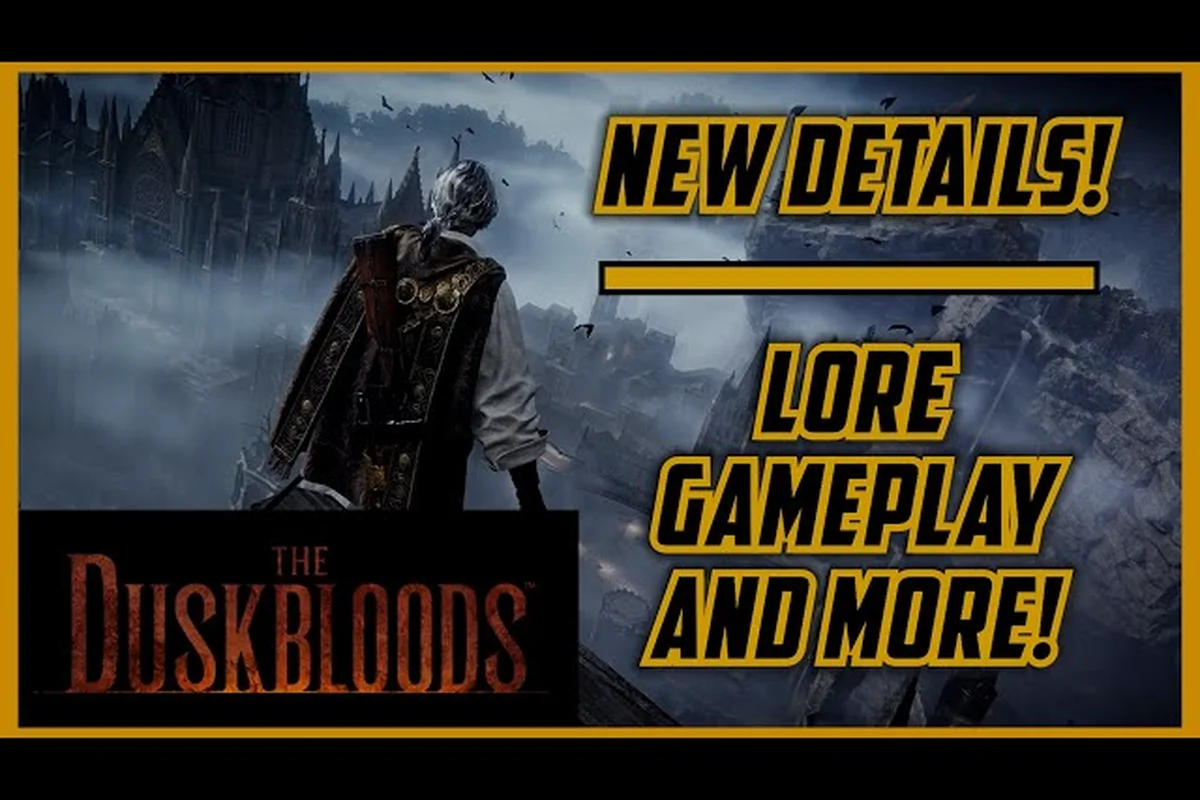
If you're looking for a the duskbloods bloodsworn explained breakdown that cuts through the speculation, you've landed in the right place. This guide covers who the Bloodsworn are, what makes each character distinct, and how their weapons and abilities shape the multiplayer battles of this Nintendo Switch 2 exclusive. By the end, you'll know which of the duskbloods protagonists fits your playstyle and why the game's roster matters more than you might think.
The Bloodsworn aren't just a class system in disguise—they're fully fleshed-out characters with unique loadouts, melee weapons, ranged weapons, and superhuman movement options. According to official descriptions on the Nintendo Store page for The Duskbloods, players battle as Bloodsworn in multiplayer action with up to 8 players, using sprint, double jump, and super jump to control the First Blood across Dusk Battles. That official confirmation gives us a solid foundation for understanding what makes these characters tick.
Understanding the Bloodsworn Roster
The Bloodsworn are the playable characters in The Duskbloods, and each one comes with a preset combination of weapons, abilities, and stats that you can then customize. FromSoftware is taking a different approach here compared to their usual create-your-own-character formula—the roster is fixed, but how you build each fighter is flexible.
The game features over 12 playable characters, according to a GamingBolt report on the character roster. Each character carries a melee weapon, a ranged weapon, and a set of unique abilities tied to their identity. The team revealed several loadouts ahead of the closed network test, giving players a first look at what to expect in the full release.
Here's what we know about the roster structure so far: the game features over twelve playable characters, each equipped with a unique melee weapon and a ranged firearm, all moving with superhuman agility through sprinting, super jumps, and double jumps. Because the title is still in pre-release as of August 2026, with a closed network test scheduled for August 21-24, most character names and ability details are preliminary and community-sourced rather than officially confirmed. The structure appears to emphasize distinct loadouts per fighter, where the combination of melee and ranged tools defines each Bloodsworn's playstyle, rather than a shared pool of weapons. This design aligns with the PvPvE format of Dusk Battles, where up to eight players compete for Victory Points through combat, boss kills, or dynamic events, making roster knowledge a strategic advantage.
-
Each character has a signature melee weapon that defines their close-range combat style.
-
Every fighter carries a ranged weapon — a first for a FromSoftware title in many ways.
-
Customization exists, but it operates within each character's preset framework rather than a blank slate.
-
Superhuman movement — sprint, double jump, and super jump — is universal across the roster.
-
The First Blood objective drives every Dusk Battle, pushing players toward aggressive play.
These duskbloods blood clan characters aren't just skins with different stats—they play differently because their weapons, abilities, and movement kits interact in unique ways. If you're wondering how the roster connects to the broader combat system, our PvPvE mechanics guide breaks down the match flow and scoring in more detail.
How Bloodsworn Archetypes Break From Traditional Classes
It's easy to think of the Bloodsworn as traditional classes like "tank" or "mage," but that undersells what FromSoftware is doing here. A class is a template; a character is an identity. The Bloodsworn roster sits somewhere in between, because each fighter has a named backstory, a visual design, and a weapon kit that feels handcrafted rather than procedural.
That means the duskbloods bloodsworn explained properly requires looking at three layers: first, the superhuman movement system that all Bloodsworn share, including sprinting, super jumps, and double jumps, which forms the baseline for every encounter; second, the individual character loadout, where each fighter pairs a unique melee weapon with a ranged firearm, creating a distinct combat rhythm; and third, the Blood Fate customization layer, which influences how those abilities perform in a match and ties into the hub progression based on Blood History and Blood Fate. These layers interact during Dusk Battles, where Victory Points decide the winner, and personal objectives like Destined Rivals or Destined Companion add another strategic dimension. Understanding this three-part structure helps players anticipate how a character's mobility, weapon synergy, and build choices will shape their approach to both PvP and PvE threats.
-
The character's innate ability — a unique skill tied to their identity.
-
Their weapon pairing — how melee and ranged tools complement each other.
-
Their stat distribution — which attributes lean higher at base level.
This design philosophy gives you a reason to learn multiple characters rather than settling into one comfortable role. The closed network test reportedly let players sample a handful of these fighters, and community reports highlight how different they feel from one another.
Core Character Abilities and Combat Traits
Right now, the information we have on duskbloods character abilities explained comes from official previews, the network test build, and community documentation. Because the game hasn't fully launched yet, some details remain in flux, but the core systems are already clear.
Every Bloodsworn shares a baseline movement kit that includes sprint, double jump, and super jump. The Nintendo official site confirms these options, which means you can always escape a tight spot or close the distance on an enemy regardless of which character you're playing. However, some characters clearly benefit more from certain movement options—lighter fighters get more mileage out of double jumps, while slower, harder-hitting characters rely on super jump to reposition.
The combat loop revolves around melee pressure and ranged finishers. You whittle down opponents with your primary weapon, then pull out your ranged option to secure the kill or force a defensive reaction. Character abilities act as the glue between these two phases, offering buffs, utility, or burst damage at key moments.
Here's a quick comparison of how character abilities might slot into the broader combat design: each Bloodsworn's unique melee weapon determines their close-range pressure and combo potential, while the paired ranged firearm covers mid-to-long range engagement, creating a natural push-and-pull in fights. For example, a character with a heavy, slow melee weapon might rely on a fast-firing sidearm to chip damage at range, whereas a nimble fighter with a quick blade could use a shotgun-style weapon to punish aggressive opponents. The superhuman movement options—sprint, super jump, and double jump—allow players to close gaps or disengage, making positioning a key factor in how these weapons are used. Since the game is not yet released and the network test is still upcoming, these are speculative patterns based on the confirmed loadout structure, but they suggest that ability synergy will be central to mastering any Bloodsworn.
| Character Aspect | Melee-Focused | Ranged-Focused | Hybrid |
|---|---|---|---|
| Primary Role | Close-quarters pressure | Mid-range control | Flexible engagement |
| Ability Style | Damage buffs, gap closers | Projectile enhancements, zone control | Utility cooldowns, movement tricks |
| Best Playstyle | Aggressive, pursuit-heavy | Patient, punishing retreats | Read-based, reactive decision-making |
| High Skill Ceiling? | Yes — spacing matters | Yes — ammo management | Yes — timing mastery |
This isn't a confirmed tier list, so treat it as a framework for how FromSoftware tends to balance character variety. What matters is that every fighter has a ranged threat—that's a design choice that separates The Duskbloods from the developer's previous work.
Ranged Weapon Characters and Loadout Variety
One of the most striking differences in The Duskbloods is the presence of duskbloods ranged weapon characters in a FromSoftware game. While firearms existed in Bloodborne and other titles, they were secondary tools rather than core loadout components. Here, every character carries a ranged option that feels essential to their kit.
This design decision makes the the duskbloods character weapons explained conversation particularly interesting. It's not about "do I bring a gun?" but rather "which gun synergizes with my melee style?" Each character's fixed pairing of a unique melee weapon and a ranged firearm forces players to adapt to a specific combat identity, rather than freely mixing loadouts. For instance, a melee weapon with wide sweeps might pair well with a slow, high-damage revolver for finishing blows, while a precise thrusting sword could complement a rapid-fire pistol for consistent pressure. This synergy extends to the superhuman movement, where a double jump can set up aerial shots or a sprint can close distance for a melee combo. The lack of confirmed details means these are educated guesses, but the structure suggests that mastering the interplay between your two weapons is more important than simply having a gun as a backup.
Let's break down what we know about loadout variety across the roster: the game features over twelve playable characters, each with a unique melee weapon and a ranged firearm, but the specific names and stats are largely unconfirmed as of the pre-release period. Community observations from previews and the upcoming network test (August 21-24, 2026) suggest that these loadouts are designed to create distinct playstyles, with some characters favoring aggressive close-range combat and others excelling at mid-range control. The superhuman movement—sprint, super jump, and double jump—applies to all characters, so the differentiation comes from weapon properties like attack speed, reach, and firing rate. Since the game is not yet released, these are preliminary insights, and the full roster could include surprises that deviate from current expectations.
| Weapon Category | Examples | Best Used For |
|---|---|---|
| Fast-firing pistols | Quick-draw sidearms | Poking, punishing whiffs, building pressure |
| Heavy firearms | Blunderbuss-style weapons | Burst damage, close-range punishment |
| Specialized tools | Crossbows, magical implements | Utility, status effects, zone denial |
Keep in mind these are community observations from the network test rather than official categories. The full game could introduce entirely different weapon types, as FromSoftware often hides deeper mechanics behind initial impressions. The closed network test, running from August 21-24 with five sessions of four hours each, will provide the first real data on how these loadouts perform, but even that data will be preliminary. The developers have not confirmed any final weapon lists, and the twelve-plus characters may have abilities that change between the test and launch. So while the current community wiki and previews offer a useful starting point, treat these as hypotheses until the official character guide or the game's release in 2026 provides definitive answers.
Why Ranged Tools Change the Game
Having a reliable ranged option transforms how engagements play out in Dusk Battles. In previous FromSoftware PvP, players could mostly predict their opponent's effective range—if you closed the gap, they had to swap to melee or back off. With ranged weapons on every character, the threat landscape is wider and more unpredictable.
Community reports from the network test suggest that ranged attacks excel at punishing healing, interrupting enemy abilities, and forcing reactions at awkward distances. That changes the rhythm of fights significantly, because every character can now threaten you from outside melee range.
This also shifts how the First Blood objective plays out. Since matches revolve around controlling a contested point, ranged fighters can pressure the objective without committing to melee exchanges, creating a risk-reward dynamic where players must decide when to push in versus when to poke from range.
Playstyles and Character Archetypes
From what's been revealed so far, the duskbloods protagonists fall into recognizable archetypes, even if their specific abilities remain unrevealed. Understanding these patterns helps you predict how each fighter handles before the official character guide drops. For instance, some characters appear to be agile duelists who rely on speed and precise strikes, while others seem built for heavy, sustained damage with slower but more powerful weapons. The pairing of melee and ranged tools reinforces these archetypes—a nimble character might carry a light pistol for quick follow-ups, whereas a tank-like fighter could wield a shotgun for close-range burst. These archetypes are not official labels but community interpretations based on the limited preview footage and the confirmed loadout structure. Recognizing these patterns early can give you a head start in choosing a character that matches your preferred playstyle, even before the full ability list is known.
Here's a look at the archetypes emerging from previews and the community wiki on Fextralife's DuskBloods Wiki: the wiki and preview discussions have identified several recurring character types, such as the swift skirmisher who uses double jumps to harass from above, the brawler who closes distance with sprint and overwhelms with melee combos, and the tactician who uses a ranged weapon to control space before engaging. These archetypes are not official, but they reflect how the confirmed elements—unique melee weapons, ranged firearms, and superhuman movement—combine to create distinct combat identities. The wiki also notes that some characters may have special abilities tied to Blood Fate, which could further differentiate them beyond their basic loadout. Since the game is pre-release, these archetypes are speculative, but they offer a useful framework for thinking about the roster's variety.
| Archetype | Likely Traits | Best For |
|---|---|---|
| Vanguard | High HP, heavy melee weapon, defensive ability | Players who like frontline pressure |
| Skirmisher | Fast movement, quick attacks, mobility-focused ability | Aggressive, hit-and-run players |
| Sniper/Controller | Strong ranged weapon, utility ability, lower HP | Tactical players who control space |
| Duelist | Balanced stats, versatile kit, "hero" styling | Players who want a fair fight on their terms |
Remember, these names aren't official—they're a helpful lens for thinking about the roster. FromSoftware tends to design characters with hidden depth beyond their archetype label, so expect surprises when the full list of abilities is revealed. For example, a character who appears to be a simple melee specialist might have a ranged weapon that enables a completely different playstyle, or a seemingly support-oriented fighter could have offensive capabilities that defy expectations. The network test in August 2026 will provide the first real glimpse into these depths, but even then, the final game may include additional layers. The tagline "The moontears will flow for one and one alone" hints at a narrative focus on individual fates, which could tie into unique character mechanics. Until the official release, keep an open mind and avoid over-relying on archetype labels.
How to Pick Your Main
Choosing your character comes down to matching their kit with your preferred combat approach. If you like applying constant pressure at close range, a Vanguard or Skirmisher type will serve you well. If you'd rather dictate fights on your terms, aim for a Controller or Duelist style.
Community testing from the network test also suggests that some characters require more investment and practice to shine. Don't judge a fighter on ten minutes of playtime—spend an afternoon with a character before writing them off. Character-specific tech, like animation cancels or ability combos, often takes time to surface.
Want to see the full range of weapons you might encounter? Our weapon types overview lists what we know so far about melee and ranged categories in the game. That overview compiles the confirmed structure of each character having a unique melee weapon and a ranged firearm, along with community-sourced observations about possible weapon types like swords, axes, pistols, and rifles. Since the game is not yet released, the overview is a living document that will be updated as more information emerges from the network test and official announcements. It also discusses how these weapons interact with the superhuman movement system, such as using a super jump to gain a height advantage for ranged attacks or a sprint to set up a melee finisher. For players eager to plan their loadout strategy, this overview is a valuable resource.
Character Customization and Build Options
FromSoftware hasn't locked the Bloodsworn into rigid builds. The official preview materials confirm that players can customize their characters, though the depth and granularity of that system remains a question mark. Community expectations point toward a mix between weapon choice, ability tuning, and passive adjustments.
Here's what we reasonably expect from the customization system based on official statements and typical FromSoftware design patterns: the game will likely feature a hub area where players can customize their Bloodsworn based on Blood History and Blood Fate, which are earned through matches regardless of win or loss. This suggests a progression system that rewards participation, allowing players to tweak their character's performance over time. Given that each character has a fixed set of weapons, customization probably focuses on modifying how those weapons behave—such as damage, range, or special effects—rather than swapping weapons entirely. FromSoftware's history with build variety in games like Dark Souls suggests that Blood Fate could offer meaningful choices, but the exact mechanics remain unconfirmed. The network test will likely reveal more, but for now, expect a system that deepens your connection to a specific character rather than a sandbox of loadout options.
-
Weapon swapping or upgrading — likely tied to the game's progression systems.
-
Ability modifiers — maybe selecting between variants of a character's innate skill.
-
Consumable or accessory slots — common in the genre for fine-tuning stats.
-
Visual customization — loadouts often include cosmetic options alongside stat changes.
Whether "customization" means deep builds or surface-level loadouts remains to be seen. The phrase "unique weapons, abilities, and a ranged weapon" from the GamblingBolt report suggests the loadouts are more defined than a pure RPG build system. This implies that each character's identity is fixed at a core level, with customization serving to enhance or alter specific aspects of their kit rather than completely redefining it. For example, you might be able to increase the fire rate of a character's pistol or add a bleed effect to their melee weapon, but you likely won't be able to give a sniper rifle to a close-range brawler. This design aligns with the PvPvE format, where balance and distinct character identities are crucial for fair competition in Dusk Battles. Until the game launches, the exact depth of customization remains an open question, but the evidence points toward a system that respects each character's unique playstyle.
The Weapon Build Connection
Since each character comes with a specific set of weapons, the customization system probably determines how those weapons perform rather than what weapons you carry. If updates or DLC introduce new fighters later, the choices could expand even further. This approach allows FromSoftware to maintain balance across the roster while still giving players a sense of ownership over their build. For instance, you might invest Blood Fate points into increasing your melee weapon's stagger potential or improving your ranged weapon's reload speed, tailoring the character to your preferred tactics. The hub customization based on Blood History and Blood Fate suggests a long-term progression loop, where even losses contribute to your growth. As the game is not yet released, these are informed speculations, but they align with the developer's track record of creating systems that reward experimentation and mastery. Future content could add new characters with entirely different weapon combinations, further enriching the customization possibilities.
The connections between character choice and weapon performance matter because the upcoming network test will likely reveal more about how flexible the system really is. Check our coverage of all the revealed weapons to stay current with the latest roster details.
Frequently Asked Questions
Who are the Bloodsworn in The Duskbloods?
The Bloodsworn are the playable characters in The Duskbloods, each with unique melee weapons, ranged weapons, abilities, and stats. The roster features over 12 playable characters who battle in 8-player multiplayer matches. According to official descriptions, they fight for control of the First Blood across mysterious Dusk Battles.
How many playable characters are there in The Duskbloods?
The game features over 12 playable characters, although the exact number has not been officially confirmed yet. Reports from preview events and the gaming press, including GamingBolt, confirm the roster will offer significant character variety when the game releases as a Nintendo Switch 2 exclusive.
Does every character in The Duskbloods have a ranged weapon?
Yes, every character in The Duskbloods carries a ranged weapon alongside their melee option. That's a notable design shift for FromSoftware, since previous games didn't give all playable characters reliable ranged tools. The official Nintendo description confirms each Bloodsworn has a full kit for ranging and close combat.
Can you customize the Bloodsworn in The Duskbloods?
Yes, players can customize their Bloodsworn, though the exact level of customization isn't fully revealed yet. Early information points towards adjustments to weapons, abilities, and loadouts. The network test will likely clarify how deep the system goes before the final release.
What are the best Bloodsworn for new players?
Community reports from the network test suggest that fighters with balanced stats and straightforward abilities are easier for newcomers. Look for characters with forgiving melee arcs and a ranged weapon that's simple to use. High-skill characters often rely on precise timing and animation understanding, so save them for later.