
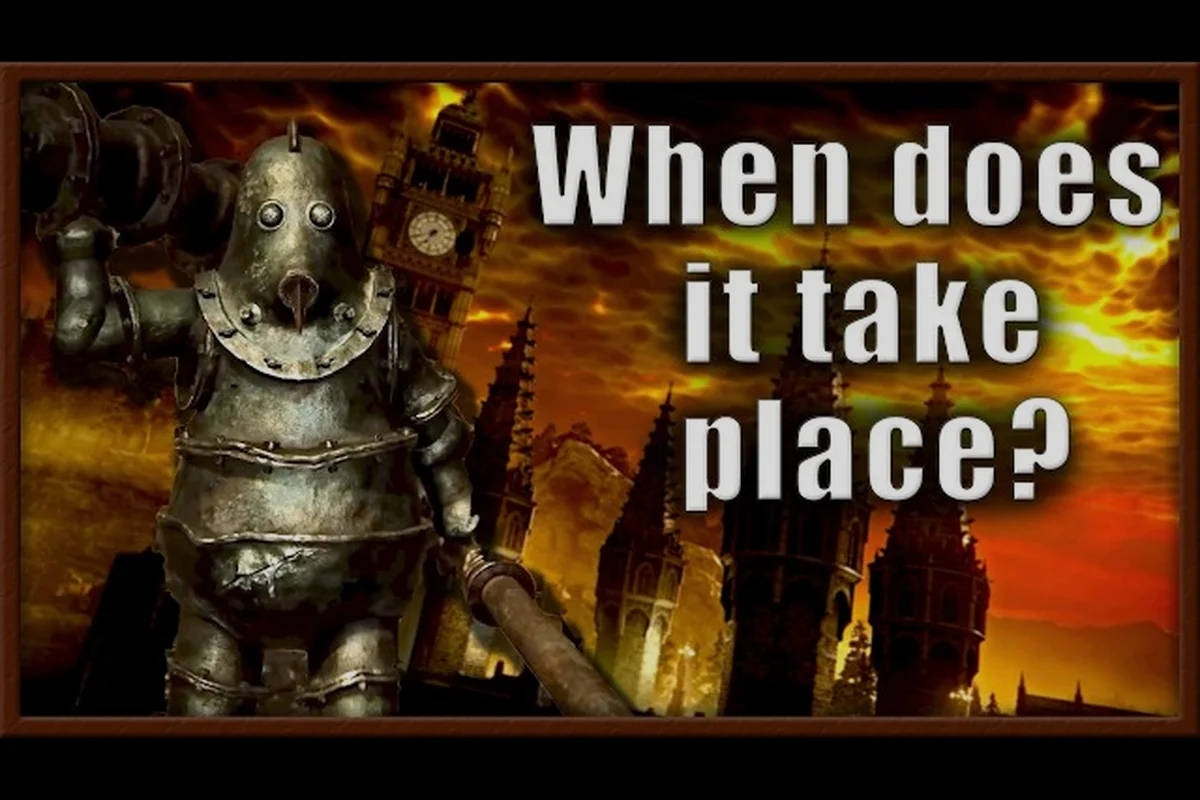
The Duskbloods dusk of humanity setting is the haunting stage where FromSoftware's latest multiplayer experiment unfolds, and understanding it transforms how you read every encounter. This dark fantasy world, revealed through the official debut trailer and Nintendo's Creator's Voice interview with Hidetaka Miyazaki, pulls players into a gothic Victorian-styled realm where blood-soaked warriors fight for the last drops of a dying age. Get ready to decode the environments, the vampire-like Bloodsworn, and the twilight that defines this eerie universe.
According to FromSoftware's interview on the Duskbloods' gameplay and setting, the dusk of humanity is mechanically tied to a cyclical "last blood" system where each player's final death permanently reduces the shared world's remaining life pool, directly shaping the victory condition.
The Twilight of Humanity: Understanding the Duskbloods Dusk of Humanity
The phrase "Twilight of Humanity" (also translated as the dusk of humanity) is not mere flavor text — it is the narrative engine behind every Dusk Battle. According to the official FromSoftware press release and the Wikipedia entry for the game, the world of The Duskbloods exists in a state of terminal decline, where the age of humans is ending and something darker is rising to take its place. This is not the post-apocalyptic ruin of a modern world; it is a gothic Victorian setting where gas lamps still flicker, cobblestone streets still echo with footsteps, and the architecture still stands proud — but the people who built it are fading.
The tagline, "The moontears will flow for one and one alone," hints at a ritualistic endgame. Players are not simply fighting for survival; they are competing in a celestial contest where the moon itself weeps for a single victor. Miyazaki explained in the Creator's Voice interview that players are summoned from different eras to an undefined time and place, which means the world is a patchwork of moments stitched together by supernatural forces. This explains why the environments feel both familiar and alien — you might step from a Victorian parlor into a rain-soaked rooftop in the same match.
What makes this setting so compelling for lore enthusiasts is the contrast between grandeur and decay. The architecture suggests a once-thriving civilization, but the empty streets, the overturned carriages, and the bloodstained altars tell a different story. As one player noted in community discussions after the network test, "It feels like the party ended centuries ago, but the guests never left." That tension between elegance and horror defines the duskbloods vampire lore that fans are already dissecting.
The dusk of humanity is not a single event but a process, and the Bloodsworn are both symptoms and survivors of it. They are beings empowered by special blood, which grants them superhuman abilities but also binds them to the cycle of the moontears. If you want to see how this world-building connects to the actual match structure, our 8-player multiplayer breakdown explains how the narrative feeds into the Victory Points system.
The Gothic Victorian Setting: Architecture, Atmosphere, and Style
The duskbloods victorian setting is the most immediately striking aspect of the game's visual identity, and it is far more than a surface-level aesthetic choice. FromSoftware has a history of crafting memorable worlds, but the Victorian era offers a unique blend of industrial progress and occult mystery that fits the Bloodsworn fantasy perfectly. The game leans heavily into what fans are calling the duskbloods gothic victorian style — think Bram Stoker's London crossed with the melancholy of a world that has outlived its gods.
Key Visual Signatures of the Victorian World
The environments shown in the debut trailer and the network test reveal several recurring motifs that define the duskbloods environments guide: Gothic Victorian architecture dominates, with towering spires, wrought-iron fences, and cobblestone streets that evoke a bygone era. The train level, a standout in the trailer, features a moving platform that forces players to adapt their positioning as the landscape shifts around them. Moonlight is a pervasive visual element, casting long shadows that hide ambush points and emphasize the game's tagline, "The moontears will flow for one and one alone." These settings are not merely decorative; they are designed to accommodate up to eight players, with verticality provided by superhuman jumps and double jumps, allowing Bloodsworn to traverse rooftops and balconies. The recurring motifs of decayed grandeur and perpetual twilight reinforce the Twilight of Humanity setting, where different eras are summoned together, creating a patchwork of architectural styles that all share a somber, blood-soaked atmosphere.
-
Gaslit streets and fog-choked alleys: The lighting design uses warm amber tones against cold blue shadows, creating a perpetual dusk that never fully lifts.
-
Industrial machinery fused with religious iconography: You will see train stations, clock towers, and factory smokestacks standing alongside cathedrals and shrines, suggesting a society where faith and industry collapsed together.
-
Blood as an architectural element: Cracks in walls glow with red veins, fountains run with crimson, and certain doors only open when you offer blood — a mechanical expression of the vampire lore.
-
The moon as a constant presence: Despite the indoor locations, the moon is always visible through windows and skylights, reinforcing the moontears prophecy that drives the narrative.
The Victorian period is a deliberate choice because it represents the peak of human confidence before a fall. The industrial revolution promised progress, but in the world of The Duskbloods, that promise curdled into something monstrous. The trains that once connected cities now carry the Bloodsworn to their battles; the factories that once produced goods now produce weapons for the twilight war.
Community analysis of the network test footage has noted that the environments are densely layered with storytelling details. A child's doll abandoned on a bloodstained stairwell, a half-finished letter on a desk, a portrait with the face scratched out — these are the details that reward careful exploration. According to players who participated in the test, the level design encourages verticality and rooftop traversal, which fits the Victorian architecture of spires, chimneys, and wrought-iron balconies.
If you want to understand how these environments function as gameplay spaces rather than just backdrops, the world building and map design analysis breaks down how each area supports different combat strategies. For instance, the train level's narrow corridors and moving cars create chokepoints that favor close-quarters melee combat, while open plaza areas with multiple entry points allow ranged firearm users to pick off opponents from a distance. The inclusion of superhuman movement—sprint, super jump, and double jump—means that map design must account for vertical escape routes and flanking paths, which the analysis examines in detail. Each environment is also tied to dynamic events that can shift the flow of a Dusk Battle, such as a boss spawning in a specific location or a temporary objective appearing, forcing players to reconsider their positioning. The guide connects these spatial elements to the broader Victory Points system, showing how map knowledge directly influences your ability to secure kills, survive to the end, or complete event objectives.
Bloodsworn and Vampire Lore: The Blood That Binds
The duskbloods vampire lore is the connective tissue between the setting and the characters, and it is here that FromSoftware's signature ambiguity shines brightest. The Bloodsworn are not vampires in the traditional sense — they do not fear sunlight, cannot be repelled by garlic, and show no aversion to crosses. Instead, they are beings empowered by special blood, a substance that grants them supernatural strength, speed, and the ability to use blood-based abilities in combat.
Blood as the Core Substance of the Duskbloods Setting
Blood in this universe is not merely a life-giving fluid; it is a currency, a weapon, and a memory. The official terminology from the game includes Blood History and Blood Fate, two customization systems that let players shape both the appearance and the abilities of their Bloodsworn. This suggests that blood carries the inherited experiences of previous generations, making every warrior a living archive of the twilight age.
| Blood Aspect | Lore Significance | Gameplay Function |
|---|---|---|
| Blood History | The recorded past of your Bloodsworn | Unlocks cosmetic and narrative customization options |
| Blood Fate | The predetermined destiny of your character | Alters starting abilities and passive traits |
| First Blood | The initial offering that begins a match | Triggers the opening objective of each Dusk Battle |
| Moontears | The celestial reward for victory | The ultimate goal of every match, tied to the tagline |
The vampiric undertones are unmistakable, however. The Bloodsworn drain blood from enemies and the environment to fuel their abilities, and the game's depiction of bloodletting rituals has a distinctly gothic horror quality. Miyazaki has stated in interviews that the concept of "beautiful blood" was central to the visual design — blood is rendered as a luminous, almost pearlescent substance rather than a messy red splatter. This aesthetic choice elevates the violence into something ritualistic and sacred.
What separates the Bloodsworn from classic vampires is their relationship with mortality. They are not undead; they are enhanced humans who have accepted a blood pact that transforms them. According to the lore implications in the network test, the Bloodsworn are volunteers or chosen ones who sacrifice their normal lives to fight in the dusk battles. This makes them tragic figures rather than monsters — they are humanity's last defenders, even as humanity fades.
The dusk of humanity is therefore not an external apocalypse but an internal one. The Bloodsworn are the final expression of human potential, but their power comes from the same blood that is draining the world dry. For a deeper dive into how this lore ties into the broader narrative structure, check out the era setting and story analysis.
Environments Guide: Mapping the Gothic Victorian World
For players who want to navigate this world effectively, a duskbloods environments guide is essential because each area presents unique tactical considerations beyond its visual splendor. The environments are not just set dressing — they are active participants in the combat loop, offering elevation advantages, ambush points, and environmental hazards that can turn the tide of a match.
Confirmed Environment Types from Trailers and Network Test
| Environment | Visual Characteristics | Tactical Notes |
|---|---|---|
| Train Stations | Industrial ironwork, steam vents, long platforms | Linear sightlines favor ranged combat; rooftop paths offer flanking routes |
| Cathedral Interiors | Stained glass, vaulted ceilings, pews | Tight corridors funnel melee fights; blood altars provide ability refills |
| Rooftop Networks | Chimney stacks, skylights, hanging laundry | Vertical mobility is king; fall damage punishes careless movement |
| Underground Catacombs | Bone-lined walls, crypts, flooded chambers | Low visibility favors stealth; blood pools restore health but attract enemies |
The train level has received particular attention from the community because it showcases the Victorian industrial aesthetic at its finest. Players enter a moving train that serves as both battlefield and narrative device, with carriages that can be traversed in sequence while the world rushes by outside. The train's movement adds a dynamic element to combat — you cannot simply camp in one spot because the environment itself is in motion.
Another notable environment is the moonlit plaza, where the moontears prophecy is visualized directly. The plaza features a central fountain that, according to network test players, overflows with glowing liquid during the final phase of a match, signaling the climax of the dusk battle. This environmental storytelling reinforces the connection between the setting and the victory conditions.
Environmental Storytelling and Lore Clues
The duskbloods environments guide would be incomplete without discussing how the world tells its story. FromSoftware is famous for hiding lore in environmental details, and The Duskbloods continues this tradition: scattered notes, faded murals, and bloodstained altars hint at the nature of the Bloodsworn and the cataclysmic event that brought them together. The twilight setting itself is a narrative device, suggesting a world on the brink of collapse, where the moon's tears are a literal resource tied to victory. In the network test, players could find environmental storytelling elements like broken clocks stopped at the same hour, implying a temporal fracture that explains why Bloodsworn are summoned across different times and places. The train level, for instance, contains passenger compartments with personal belongings that hint at the lives of those who once traveled, contrasting with the violent purpose of the Dusk Battles. These details are not just flavor; they provide clues about the Blood History and Blood Fate customization system, as certain environmental objects may correspond to a character's personal goals, such as a Destined Rival's emblem carved into a wall or a Destined Companion's keepsake left behind.
-
Bloodstained maps and journals found in the hub area provide fragmented accounts of previous Bloodsworn and their fates.
-
Architectural styles reflect different eras, supporting Miyazaki's statement that players are summoned from various time periods.
-
Statues and murals depict the moontears ritual, offering visual context for the tagline.
-
Weather and lighting shift between matches, suggesting that the world itself is unstable and decaying in real time.
-
The hub library contains readable books, and community members have found passages describing the first Bloodsworn and the origin of the blood pact.
-
Broken clocks stopped at the same hour appear across multiple areas, hinting at the temporal fracture that summons Bloodsworn from different eras.
According to players who explored the network test thoroughly, the hub area contains a library with books that can be read, each offering a snippet of lore about the world's history. One community member reported finding a passage that describes "the last queen who offered her blood to the moon and became the first Bloodsworn" — a detail that has sparked extensive fan theories about the game's origin story.
The environments also serve a practical gameplay purpose: they teach players the rules of the world. If you pay attention to the architecture, you will learn where blood altars are located, which rooftops connect to which streets, and where ambush points are most likely to occur. This makes the duskbloods victorian setting not just beautiful but genuinely useful for improving your match performance.
How the Dusk of Humanity Shapes Combat and Multiplayer
The narrative theme of a dying world is not separate from the gameplay — it is embedded in the core mechanics of every Dusk Battle. Understanding the dusk of humanity concept helps you make better strategic decisions because the game's systems are designed to reflect its lore. When you play, you are not just fighting other players; you are participating in a ritualistic contest for the last hope of a fading age.
Victory Points as Narrative Currency in Dusk of Humanity
The Victory Points system, as detailed in the Nintendo Creator's Voice interview, is directly tied to the world's mythology. Players earn points not just by eliminating opponents but by fulfilling personal role objectives such as Destined Rivals and Destined Companion. These objectives are narrative constructs — your character has a predetermined fate (Blood Fate) that guides their actions in each match.
| Objective Type | Lore Justification | Point Value |
|---|---|---|
| Destined Rival | Your blood remembers a past conflict with this specific enemy | High (encourages targeted aggression) |
| Destined Companion | Your fate is intertwined with another Bloodsworn's survival | Medium (encourages temporary alliances) |
| First Blood | The opening offering that sanctifies the battle | Low but crucial (sets the match's tone) |
| Boss Defeat | Slaying a creature of the twilight that threatens all players | Variable (cooperative opportunity) |
The First Blood mechanic is particularly interesting from a lore perspective. The first player to draw blood in a match triggers a narrative event that affects the environment — perhaps the moon brightens, or the blood altars become more potent. This is the game's way of dramatizing the moment when the ritual begins, and savvy players understand that controlling the opening moments can set the psychological tone for the entire match.
The Role of Blood Abilities During the Final Decades
Your Bloodsworn's abilities are manifestations of the blood that empowers you, and they visually reinforce the vampire lore. Blood projectiles, blood-draining melee attacks, and blood-based healing are all confirmed or strongly implied by the gameplay trailer. These abilities tie into the lore because they represent the consumption of the world's remaining vitality — every time you use a powerful blood ability, you are contributing to the twilight that is ending humanity.
This creates a fascinating moral tension in the gameplay. The Bloodsworn are fighting to save humanity, but their methods are accelerating its decline. According to community interpretation of the lore, this is intentional — the game is asking players to consider whether the cure is worse than the disease. The dusk of humanity is not something that happens to you; it is something you participate in with every match.
For players who want to understand how these mechanics play out in practice, the Dusk Battles explained guide offers a detailed breakdown of how the narrative framing affects match strategy and team coordination. The guide explains that the Twilight of Humanity setting is not just a backdrop but a driving force behind the Victory Points system, where the moontears flow for the victor alone. In a match with up to eight players, the narrative of being a Bloodsworn summoned across time influences how you approach Destined Rivals—specific enemies you are incentivized to hunt—and Destined Companions, allies you might protect for bonus points. The guide also covers how dynamic events, such as a boss appearing, can temporarily unite or divide players, forcing you to decide whether to cooperate for a shared reward or betray your temporary allies for personal gain. By linking the lore of the blood and the moon to concrete match tactics, the guide helps you leverage the game's unique PvPvE structure, where every environment and narrative cue can be turned into a strategic advantage.
Comparing the Duskbloods World to FromSoftware's Previous Settings
One of the most engaging aspects of the duskbloods gothic victorian style is how it compares to the worlds FromSoftware has built before. Each of the studio's games has a distinctive setting, and The Duskbloods represents a significant departure from the medieval fantasy of Dark Souls and Elden Ring, while still sharing DNA with the gothic horror of Bloodborne.
| FromSoftware Game | Primary Setting | Atmosphere | Shared Elements with The Duskbloods |
|---|---|---|---|
| Dark Souls | Medieval fantasy | Decaying kingdom, cyclical fire | Blood as a resource, doomed world |
| Bloodborne | Victorian Gothic horror | Cosmic terror, beast transformation | Victorian architecture, blood-based powers |
| Elden Ring | High fantasy open world | Shattered order, demigods | Multiple eras colliding, ritualistic combat |
| The Duskbloods | Gothic Victorian | Industrial decay, moonlit ritual | Blood powers, doomed humanity, era mixing |
The Victorian influence is the most obvious connection to Bloodborne, but The Duskbloods differentiates itself in crucial ways. Bloodborne's Yharnam is a living city with active citizens (even if they are transforming into beasts), while the world of The Duskbloods appears largely empty — the humans are gone or hiding, and the Bloodsworn move through ghost towns. This emptiness creates a different kind of horror: not the terror of being hunted, but the melancholy of being the last one left.
The industrial element is also unique to The Duskbloods. While Bloodborne had some industrial imagery (the Forbidden Woods, the Research Hall), The Duskbloods embraces trains, factories, and mechanical devices as central visual motifs. This reflects the Victorian era's obsession with progress, and it creates a fascinating contrast with the occult blood rituals. The game seems to be asking whether technology and magic can coexist, or whether one must ultimately consume the other.
Miyazaki's comment about players being summoned from different eras adds another layer of comparison. This is a more explicit version of the time-collapsing that Elden Ring hinted at with its various regions. In The Duskbloods, you might fight in a gaslit Victorian street in one moment and a moonlit cathedral ruin in the next, with no logical connection between them — because the world itself is breaking down along temporal lines.
The dusk of humanity theme also invites comparison to the Age of Fire concept in Dark Souls. Both worlds are ending, but Dark Souls frames the ending as a choice (link the fire or let it fade), while The Duskbloods seems to frame it as an inevitability. The moontears will flow for one and one alone — there is no option to save everyone, only to determine who survives.
Frequently Asked Questions
What exactly is the dusk of humanity in The Duskbloods?
The dusk of humanity, also called the Twilight of Humanity, is the game's central narrative premise — a dying world where the human age is ending. Players take on the role of Bloodsworn, beings empowered by special blood, who fight in ritual battles to determine who will receive the moontears, the final gift of a fading moon.
How does the Victorian setting affect gameplay?
The duskbloods victorian setting influences gameplay through level design — gaslit streets, train stations, and cathedral interiors create distinct tactical environments. The architecture encourages vertical movement, and the industrial elements like steam vents and moving trains add dynamic hazards that players must account for during combat.
Are the Bloodsworn vampires?
The Bloodsworn share some traits with vampires — they are empowered by blood and use blood-based abilities — but they are not traditional vampires. They do not fear sunlight, cannot be repelled by religious symbols, and are not undead. They are enhanced humans who have accepted a blood pact, making them more tragic figures than monsters.
What environments can we expect in the full game?
Based on the trailer and network test, confirmed environments include train stations, cathedral interiors, rooftop networks, and underground catacombs. The game's era-mixing premise suggests that more varied environments may appear, possibly spanning different historical periods that reflect the Bloodsworn's summoning from various times.
How does the lore connect to the multiplayer gameplay?
The lore drives the Victory Points system—Destined Rivals and Destined Companion are Blood Fate constructs, not just objectives. First Blood ignites ritualistic stakes, while the moontears prophecy frames every match as a final contest for humanity’s last reward, making each skirmish echo the dusk of humanity.